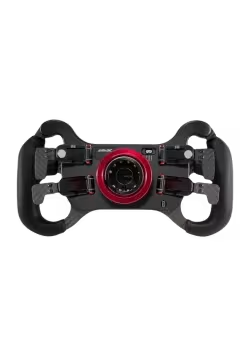
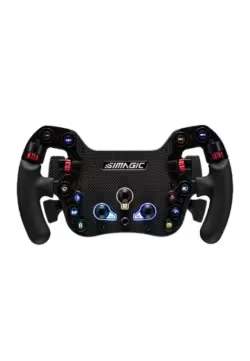
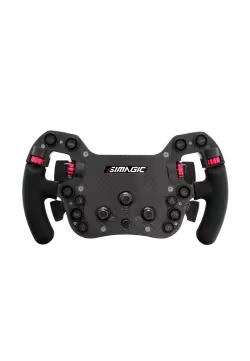
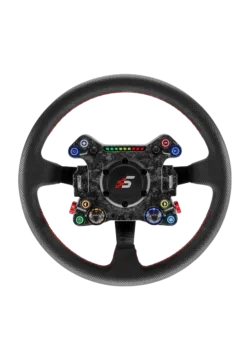
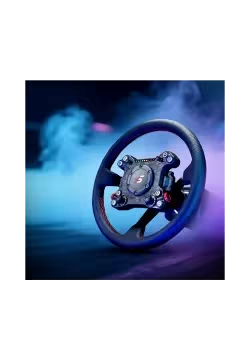
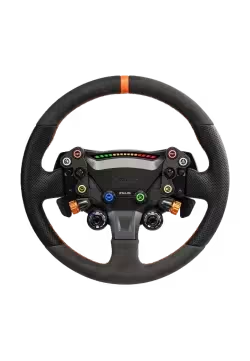
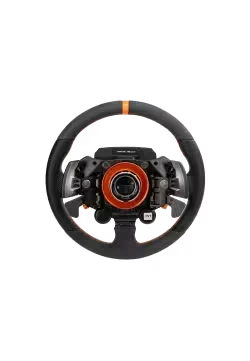
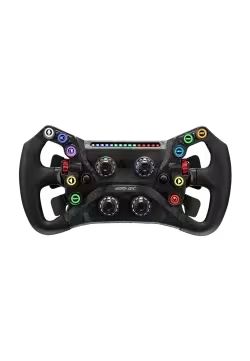
Simagic GTC Alcantara – a 325 mm steering wheel for GT and endurance racing
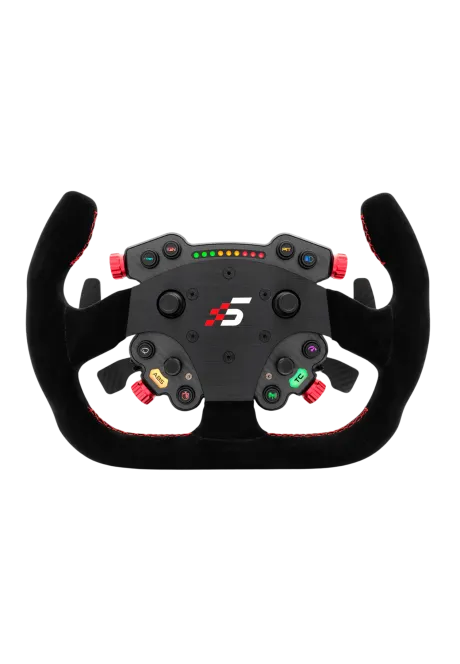
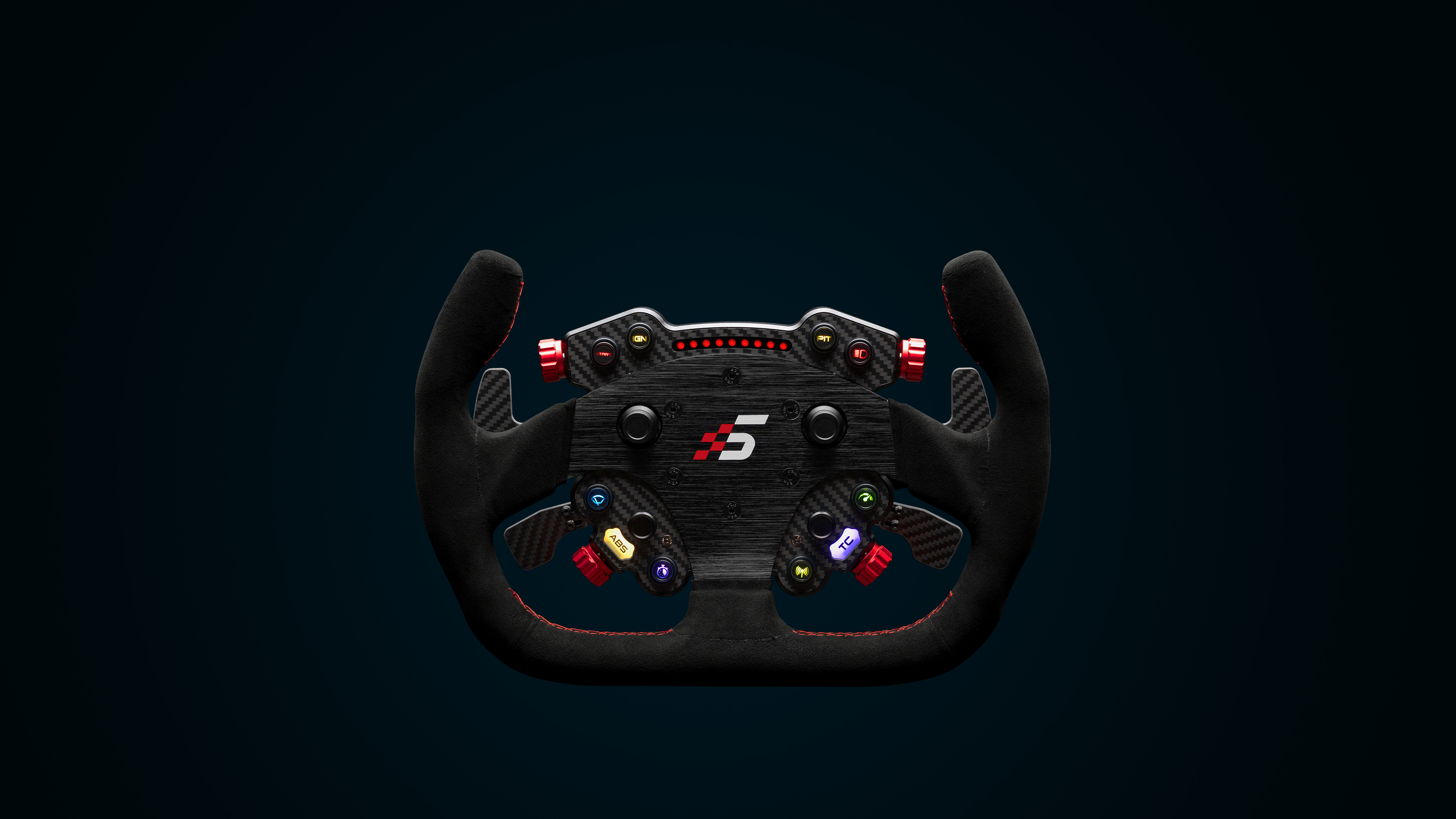
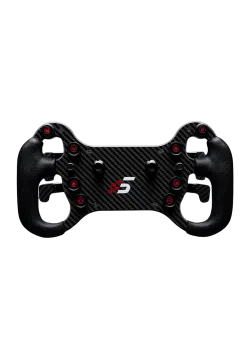
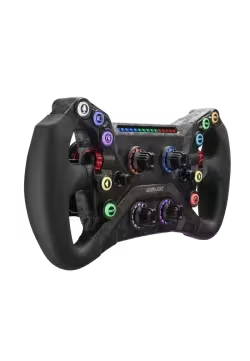
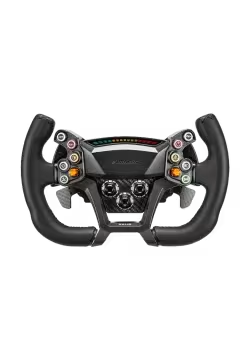
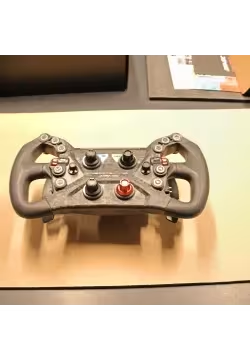
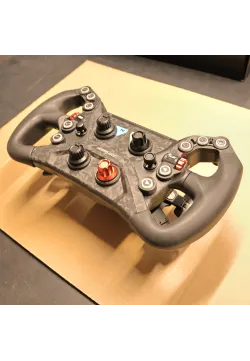
Simagic GTC Alcantara is a complete racing wheel built for GT cars, LMP machinery, prototypes and endurance events. Its 325 mm width provides more leverage than a compact Formula wheel without making the steering feel slow or taking up too much cockpit space.
The upper part of the rim is cut away, leaving a clearer view of the dashboard or monitor behind the wheelbase. This layout suits cars where both hands remain close to the 3 and 9 o’clock positions for most of the lap.
Alcantara covers the main grip areas. Its soft, textured surface creates noticeable friction and helps the hands remain settled during quick direction changes. The material particularly suits drivers who prefer to use racing gloves.
Main features of the Simagic GTC Alcantara
- 325 mm GT steering wheel rim
- cut-off top for improved dashboard visibility
- CNC-machined anodised aluminium rim structure
- hub built from CNC-machined aluminium and carbon fibre
- Alcantara-covered grip sections
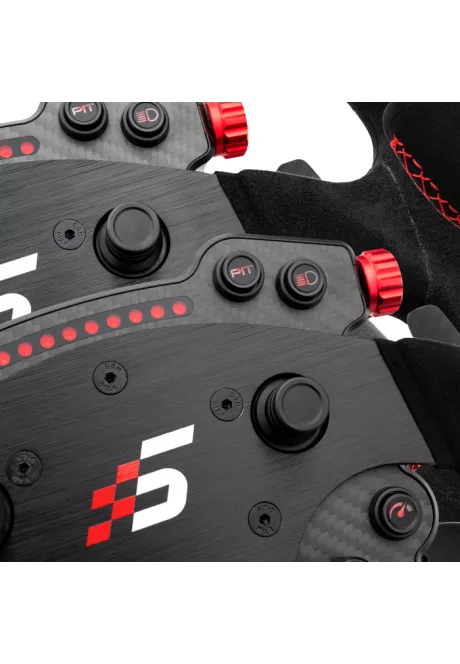
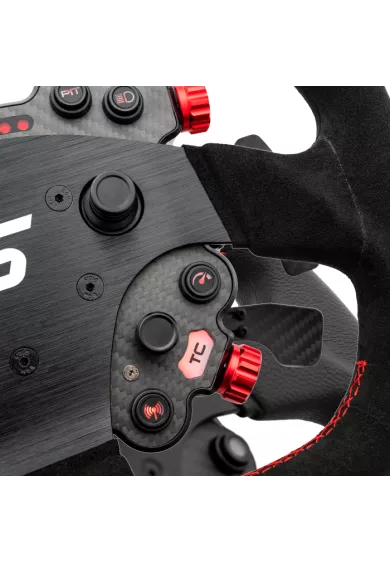
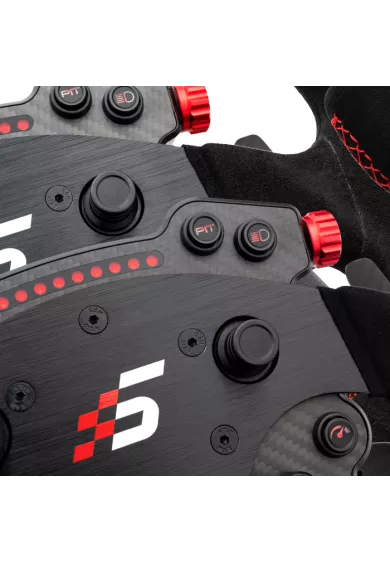
- 8 programmable RGB buttons
- 2 seven-way multi-position switches
- 2 main rotary encoders
- 2 thumb encoders
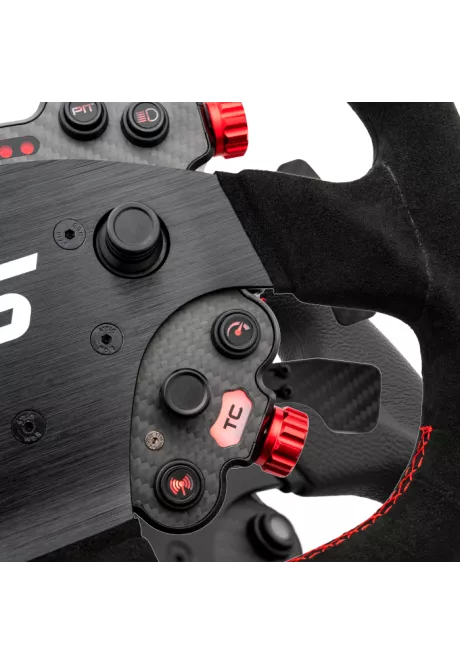
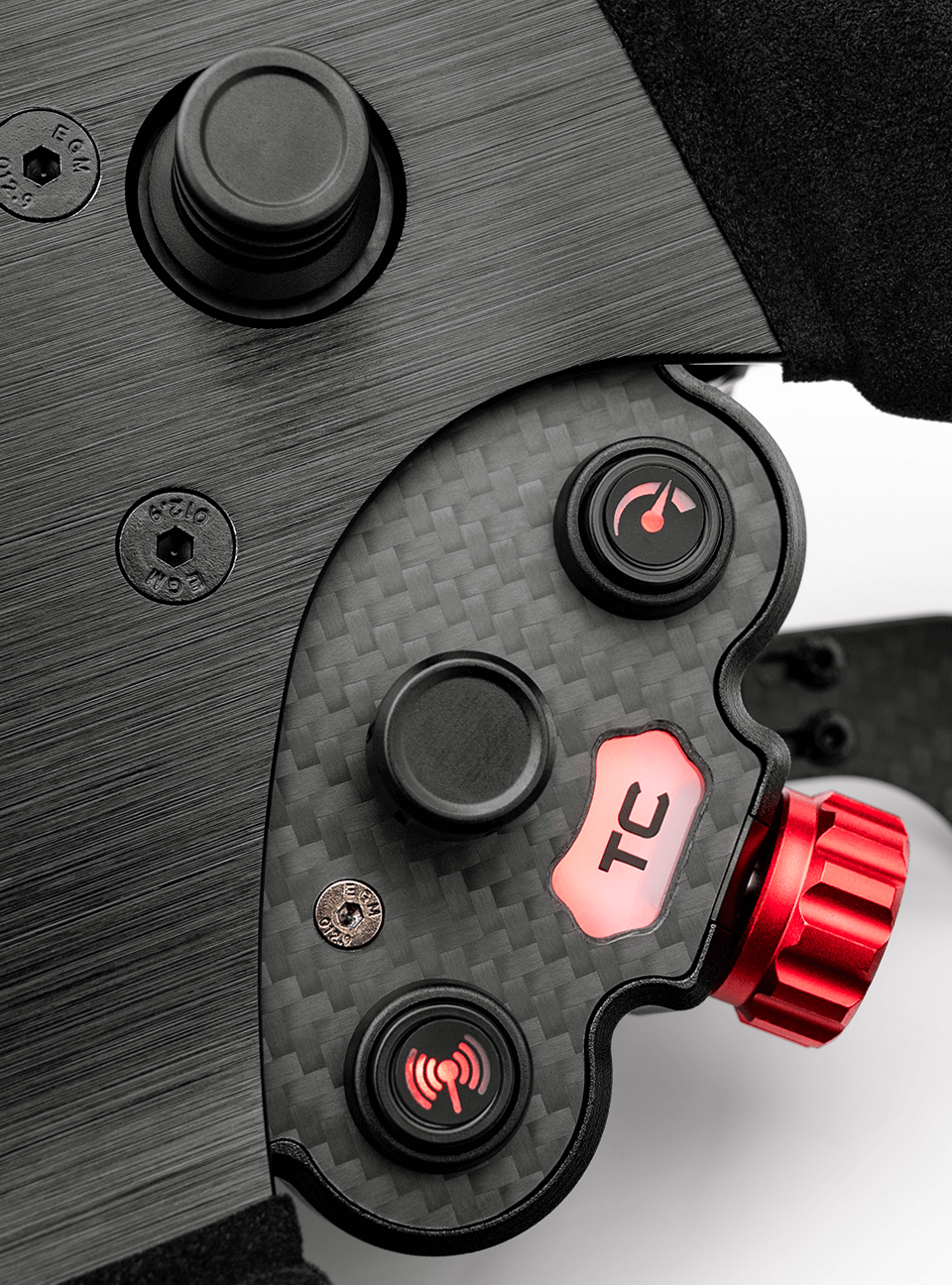
- illuminated ABS and traction-control rotary controls
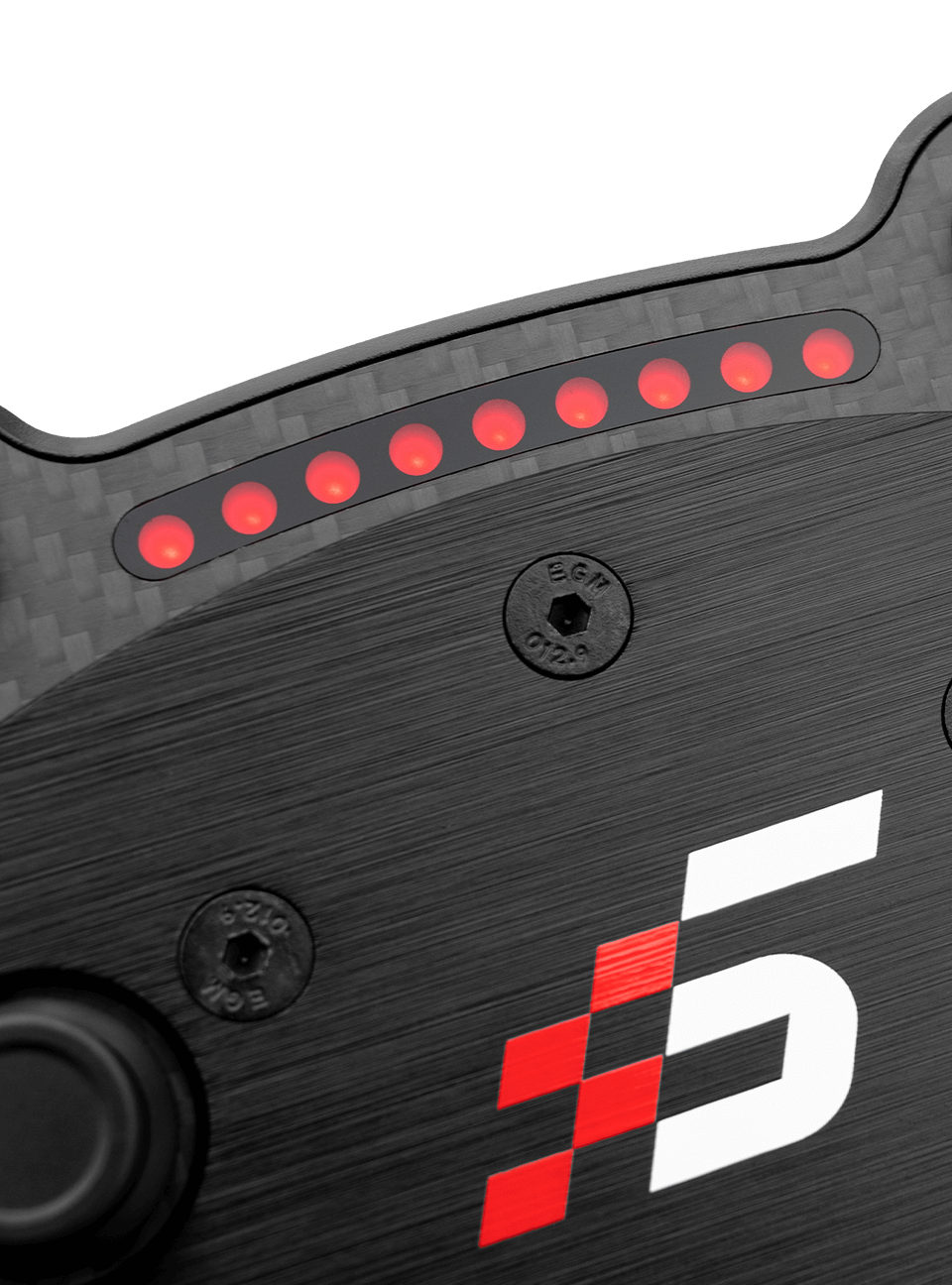
- programmable telemetry-based lighting
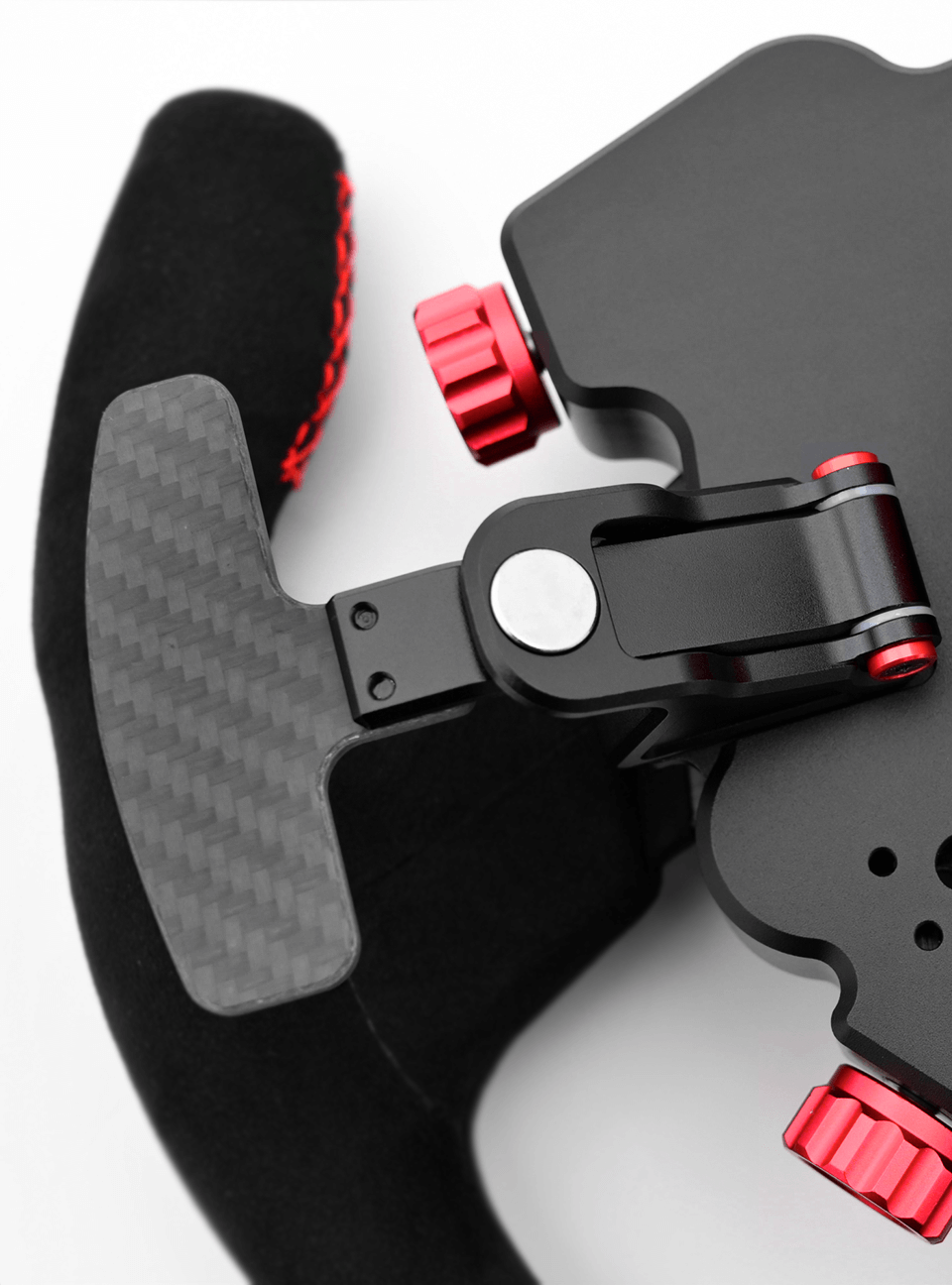
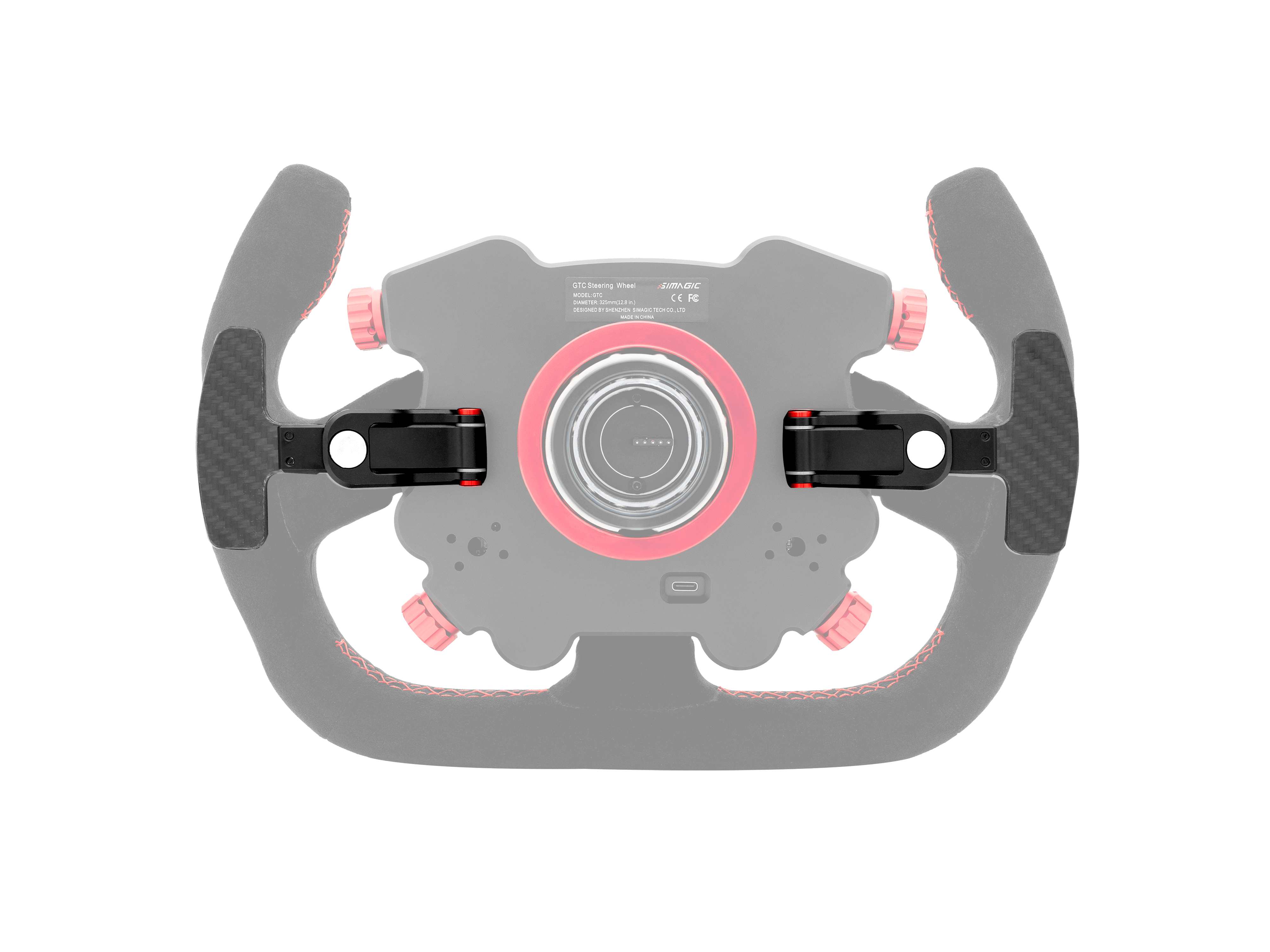
- Hall-sensor shift paddles included
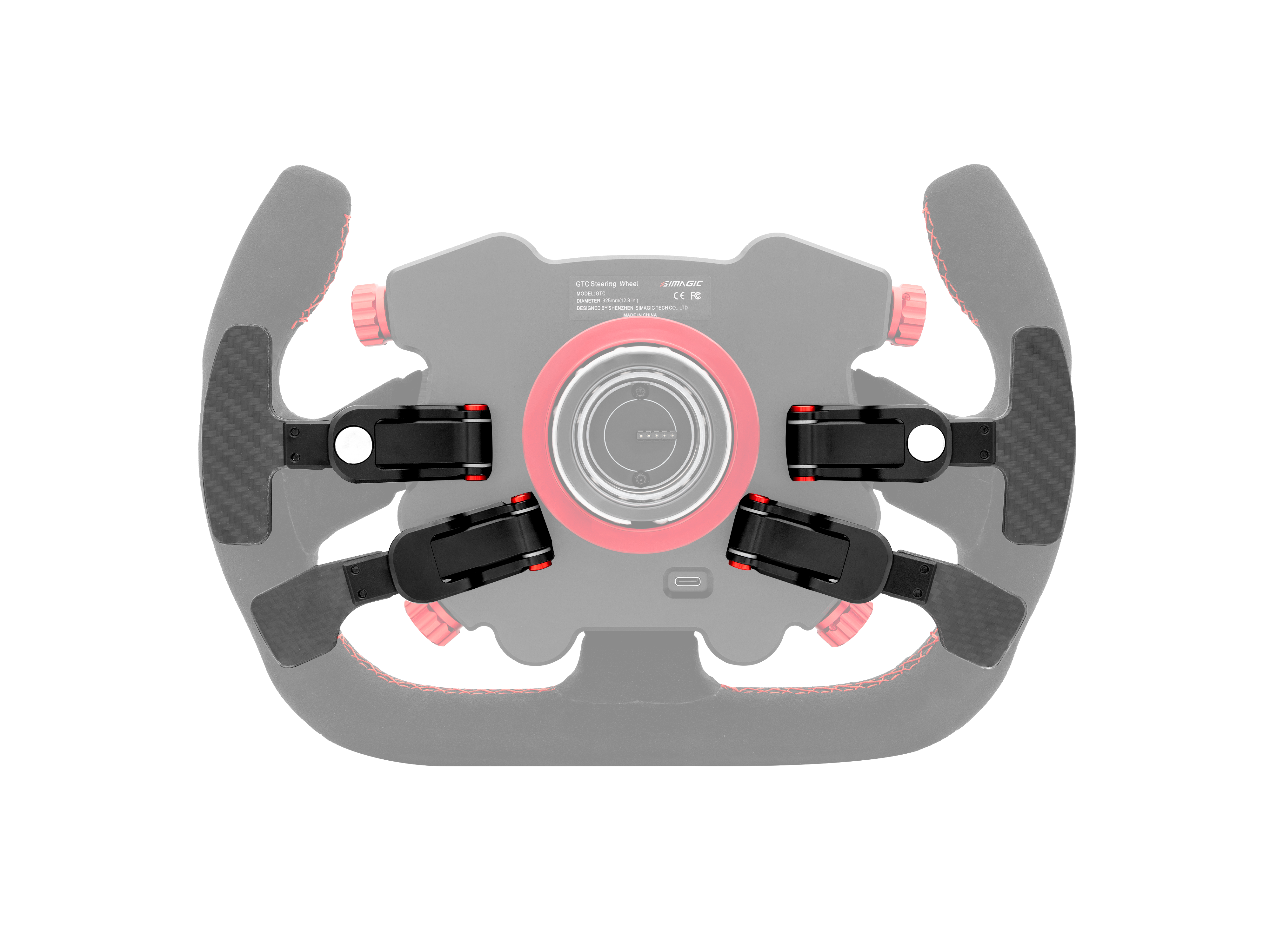
- optional dual-clutch paddle configuration
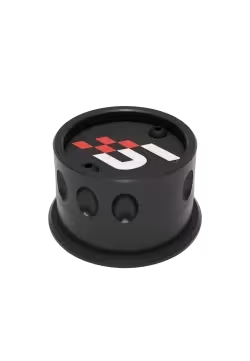
- Simagic QR50 Quick Release included
- wireless communication with compatible Simagic wheelbases
- control and lighting configuration through SimPro Manager
A balanced 325 mm size
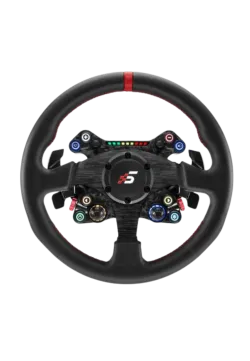
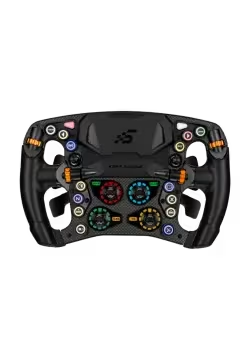
The GTC sits between small Formula wheels and larger round rims. Its 325 mm width gives the driver a relaxed hand position and enough leverage to manage a powerful Direct Drive wheelbase through a long stint.
Small steering corrections feel more measured than they do on a very compact rim. This is useful through fast corners where unnecessary movement can unsettle the car.
The wheel is still responsive enough for tight chicanes and rapid changes of direction. It does not have the slow, heavy character associated with oversized rally or drift rims.
Cut-off top for a clearer view
Removing the full upper arc creates a larger opening towards the display. Gear, speed, engine revs and warning lights remain easier to see when the dashboard is mounted directly behind the wheelbase.
The side sections remain full and rigid, so the change in shape does not reduce support around the normal grip positions.
Alcantara-covered grips
Alcantara provides a soft, suede-like contact surface with more friction than smooth leather. The driver can maintain a stable grip without applying unnecessary pressure through the fingers.
This becomes useful during endurance sessions, when holding the wheel too tightly can gradually create fatigue in the hands and forearms.
The material works particularly well with clean racing gloves. Gloves reduce direct contact with moisture and skin oils, helping the surface retain its texture for longer.
Cleaning and regular care
Alcantara requires more attention than leather. Dust and moisture should be removed with a clean microfibre cloth or soft brush after driving.
The grips should not be soaked or cleaned with aggressive household chemicals. Gentle and regular care helps prevent the fibres from becoming compressed around the most frequently used areas.
CNC-machined aluminium and carbon-fibre construction
The GTC rim uses anodised aluminium, while the hub combines CNC-machined aluminium with carbon-fibre components. This creates a rigid connection between the QR50, front panel and grip sections.
A stable structure matters when the wheelbase produces sudden forces over kerbs or during a loss of rear grip. Movement from the motor reaches the rim directly rather than being softened by flex in the control hub.
The complete wheel weighs approximately 1.85 kg. It has more rotational mass than a lightweight composite wheel, giving the steering a settled and substantial character.
Eight programmable RGB buttons
Eight front buttons can be assigned to the controls used most often during a race. Common examples include the pit limiter, radio, headlights, wipers, DRS, camera controls and message confirmation.
RGB lighting makes it possible to organise functions by colour. Pit commands may use red, communication blue and lighting controls white.
Once the layout becomes familiar, the driver can recognise a function through its position and colour without reading each individual label.
Two seven-way multi-position switches
Each seven-way switch combines directional inputs, rotation and a press function. One physical control can therefore replace several separate buttons.
They are useful for navigating a black box, changing dashboard pages, selecting strategy options and adjusting car settings.
One switch can be reserved for the simulator interface while the second handles vehicle adjustments, leaving the RGB buttons free for immediate commands.
Rotary and thumb encoders
The GTC provides several rotary controls for settings that need to be adjusted during a race. Their different shapes and positions make them easier to identify by touch.
Brake balance, engine maps, audio volume, ABS and traction control can be assigned to the encoders where the selected car supports these functions.
Illuminated ABS and traction-control controls
Dedicated illuminated rotaries can be used for ABS and traction-control adjustment. Their lighting makes the two controls easier to distinguish in a dark cockpit.
The exact operation depends on the simulator and car. Where separate ABS or TC settings are unavailable, the controls may be assigned to other functions.
Hall-sensor shift paddles
Shift paddles are included in the standard GTC configuration. Hall sensors detect each movement magnetically rather than through a conventional mechanical contact.
This provides a consistent activation point and limits wear on the sensing component. Gear changes remain repeatable during both relaxed endurance driving and rapid downshifts before a braking zone.
Optional dual-clutch paddles
The GTC is also available with additional clutch paddles. They can be used for standing starts in cars that require more precise clutch control.
A dual-clutch setup allows the driver to prepare a repeatable bite point and release the second paddle after the starting lights go out.
The clutch paddles are optional, so the selected product configuration should be checked before purchase.
Simagic QR50 Quick Release included
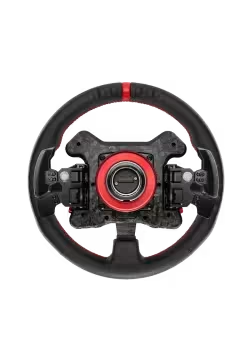
The wheel is supplied with the Simagic QR50 Quick Release. The wheel-side connector is already installed, so an additional Quick Release is not required for normal use with a compatible Simagic wheelbase.
The mechanism allows the steering wheel to be removed without undoing mounting screws. A Formula or round rally wheel can be fitted for another session, with the GTC returning when a wider GT layout is required.
Compatibility with Simagic wheelbases
Simagic GTC Alcantara works with Simagic Direct Drive wheelbases from the Alpha and Alpha EVO ranges:
Button, encoder, switch, paddle and lighting data is sent wirelessly to a compatible Simagic wheelbase. No USB cable needs to remain connected to the rotating steering wheel during normal use.
Configuration through SimPro Manager
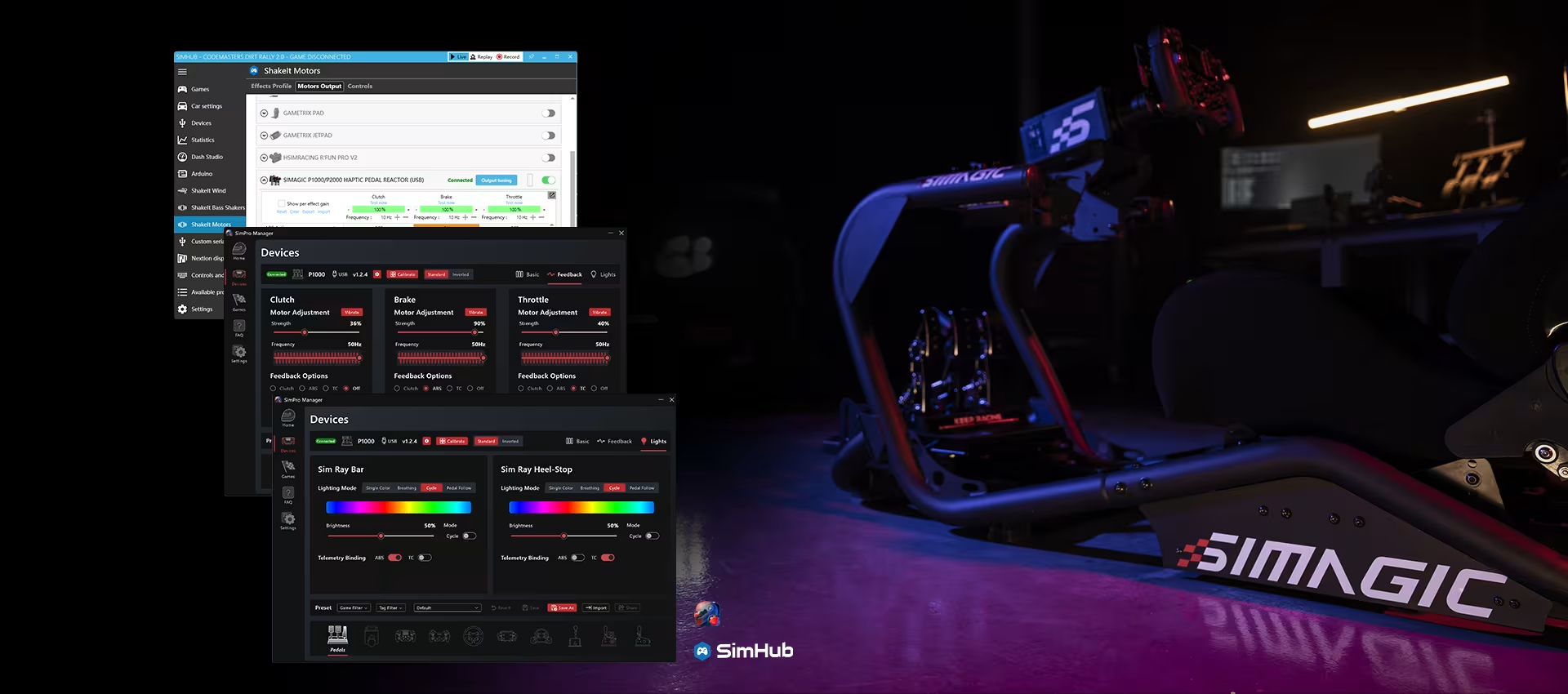
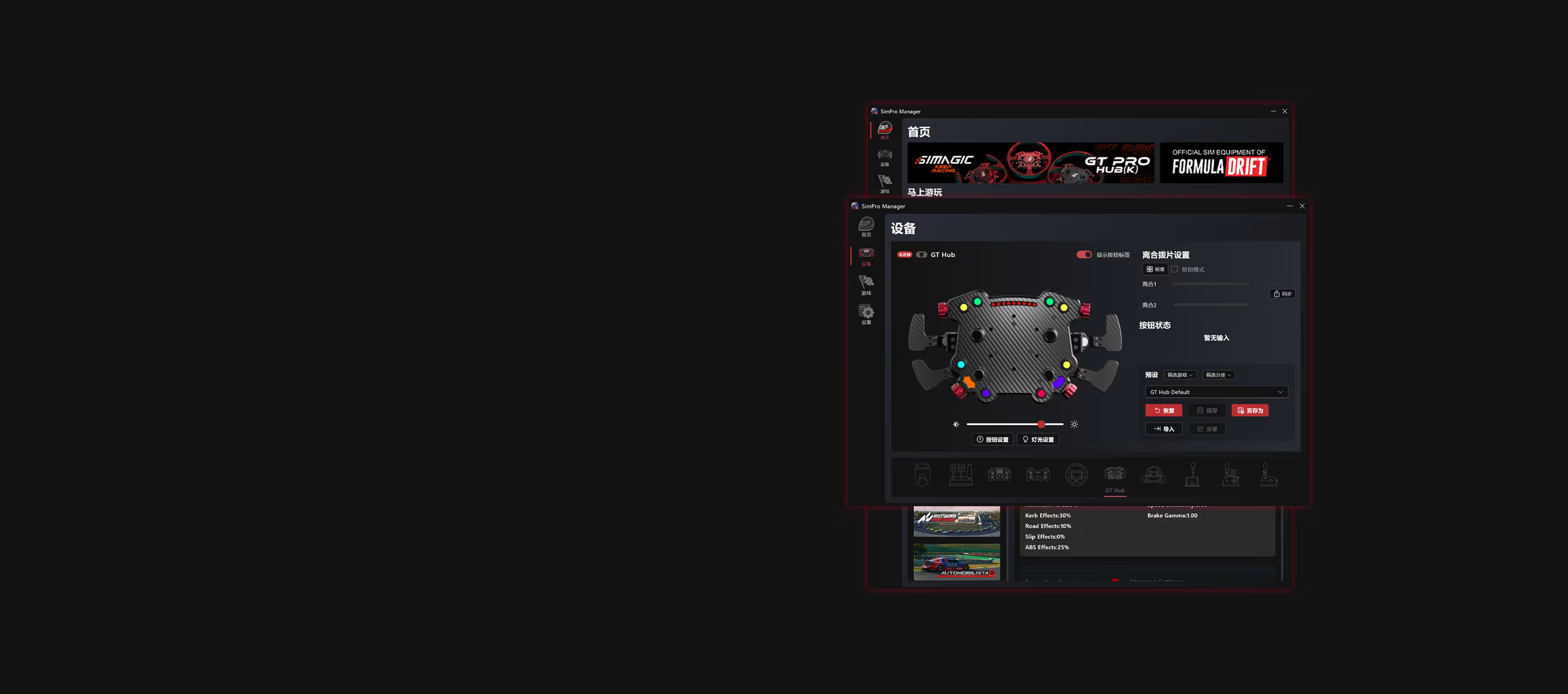
SimPro Manager is used to check the wheel inputs, adjust the RGB lighting and manage supported telemetry effects.
Separate profiles can be prepared for different simulators. A GT3 car may use the controls for the pit limiter, radio and lighting, while a prototype may require DRS, engine maps, traction control and brake-balance adjustment.
Checking for wheel and wheelbase firmware updates before the first session is recommended. Current software helps maintain reliable wireless communication and correct input detection.
Where the Simagic GTC Alcantara fits best
The GTC feels most natural in GT cars, LMP machinery, prototypes and endurance racing. The 325 mm rim provides comfortable hand spacing, while the cut-off top keeps the dashboard visible.
It is not intended for drifting or rally driving that requires the wheel to move repeatedly through the hands. A fully round rim is normally more suitable for those disciplines.
The Alcantara version suits drivers who value a textured, high-friction grip and are prepared to care for the material regularly. The broad control layout also reduces the need for a separate button box during most circuit-racing sessions.
Simagic GTC Alcantara during long stints
Simagic GTC Alcantara combines a wide GT rim with enough controls for modern racing cars. Its 325 mm size produces calmer steering than a small Formula wheel while retaining the response needed for fast circuit driving.
The aluminium structure stays rigid under Direct Drive loads, the Alcantara grips provide clear feedback through the hands, and the Hall-sensor paddles deliver consistent gear changes. The included QR50 and wireless connection complete a wheel designed for Simagic Alpha and Alpha EVO wheelbases.

 English
  Polski