Shopping Cart
There are no more items in your cart
 English
  Polski
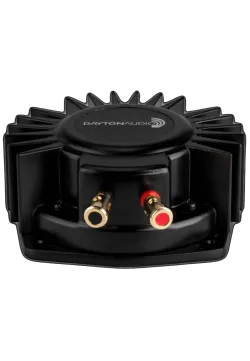
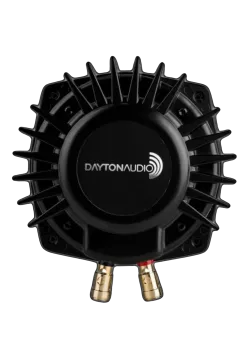
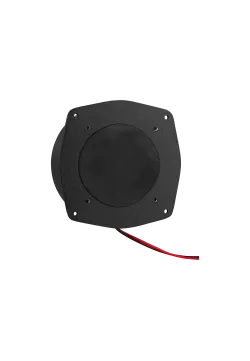
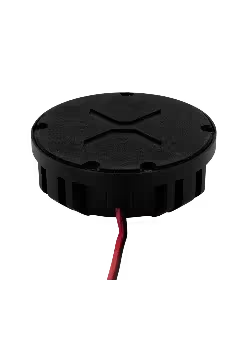
Dayton Audio BST-1
198.37zł

283.74zł
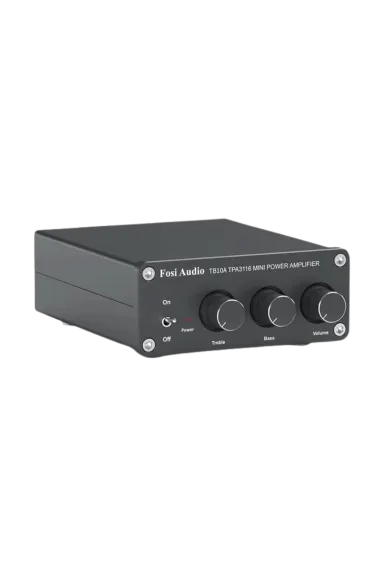
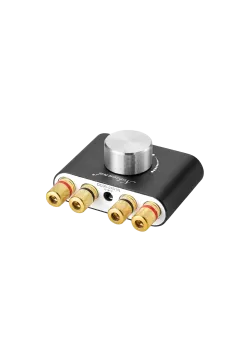
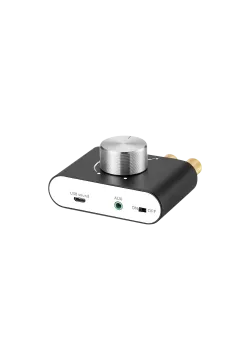
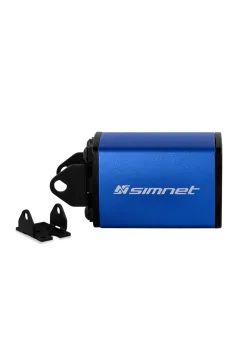
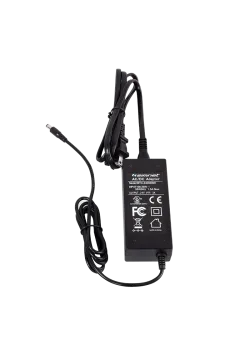
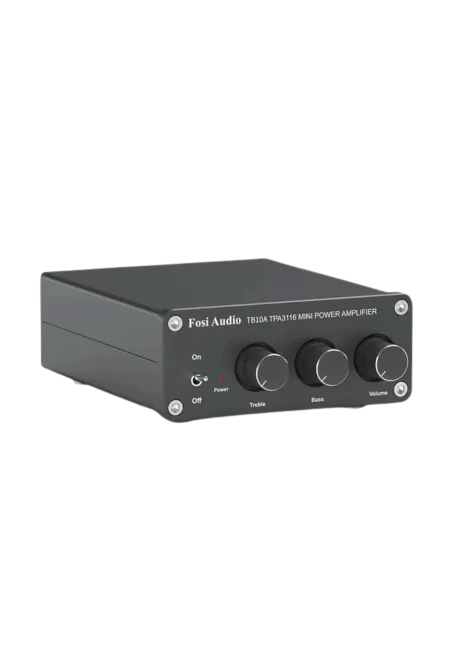
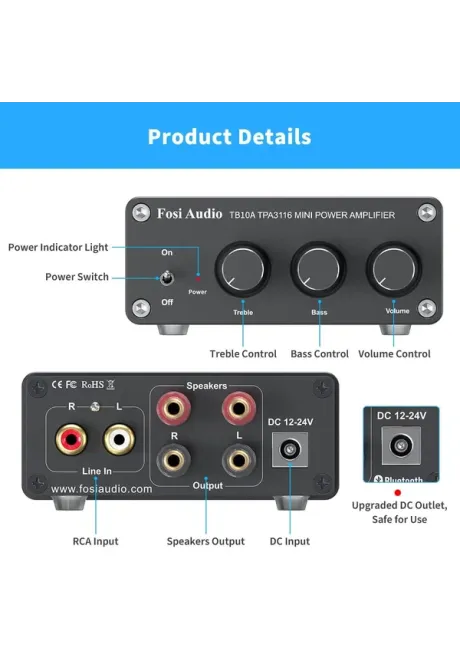
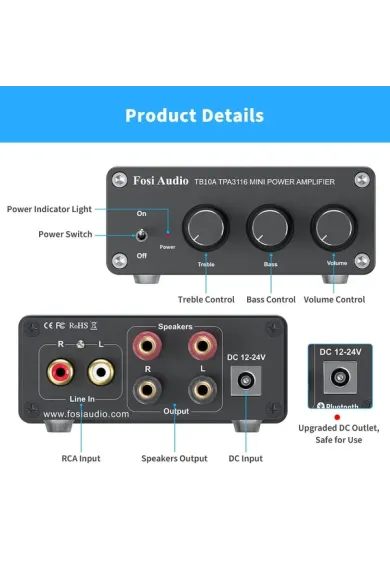
Fosi Audio TB10A is a compact two-channel Class D amplifier for passive speakers and sim-racing tactile systems. It supports 2-8-ohm loads, output of up to 2 x 100 W into 4 ohms and includes a 24 V / 4.5 A power supply. It can drive the Xcite XBS25-4, XBS50-4 and XBS100-4 bass shakers as well as the Dayton Audio BST-2. It can also handle the more powerful BST-1 when the output level is set responsibly.
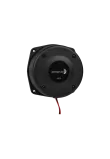
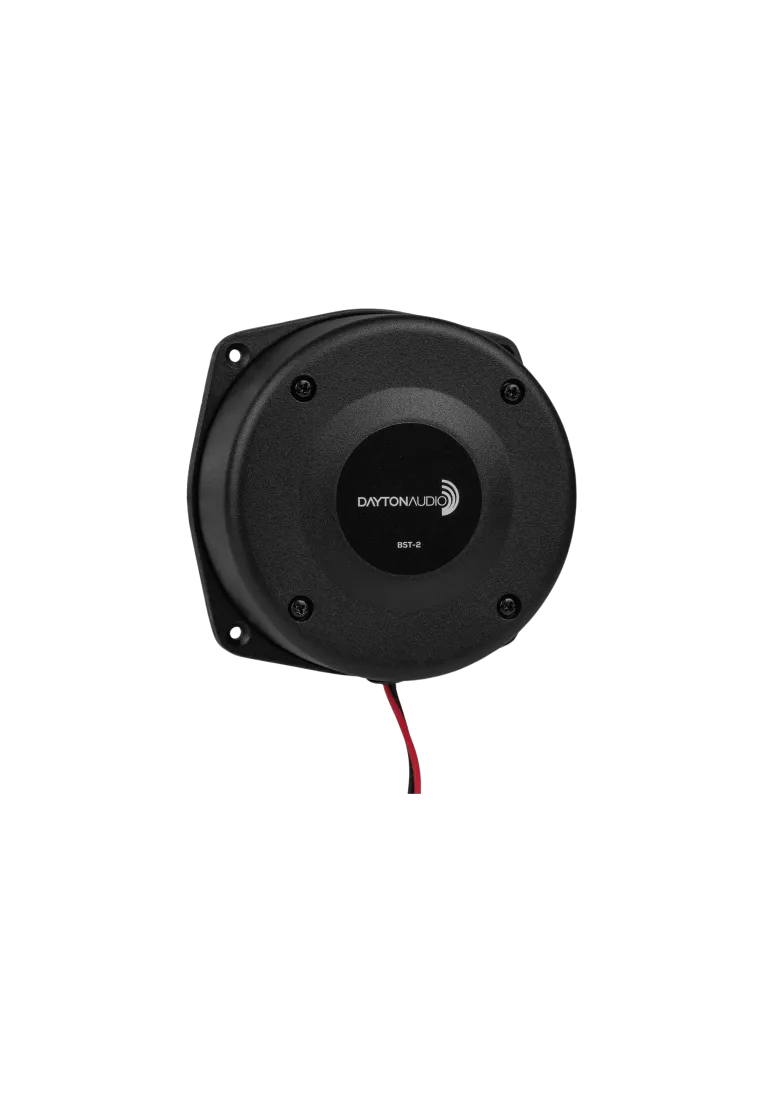
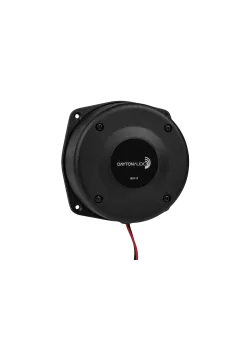
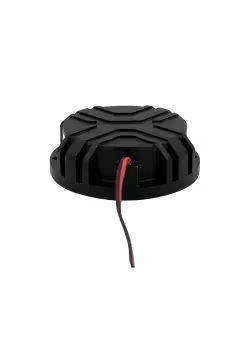
The Dayton Audio BST-2 is a compact bass shaker that delivers realistic vibrations in simulators, games, and home theaters, enhancing immersion without generating noise.
139.02zł
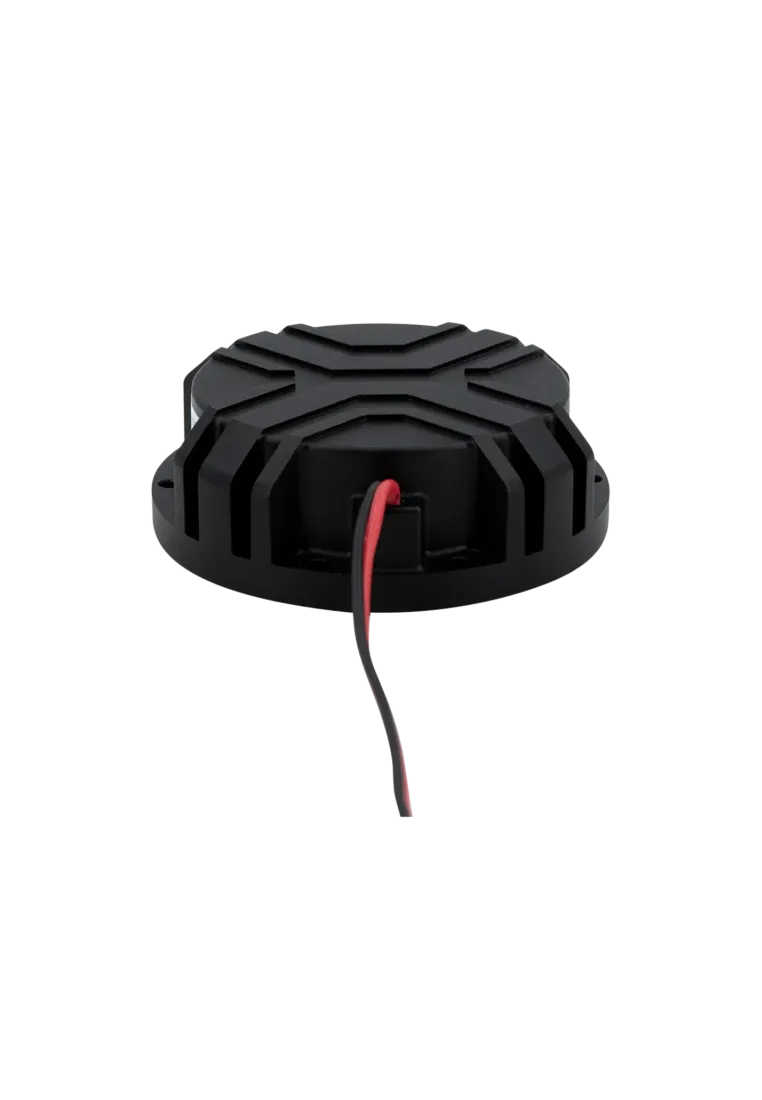
Xcite XBS25-4 is bass shaker designed for precise tactile feedback in sim racing and flightsim. Good alternative for Dayton Audio BST-2.The Xcite XBS25-4 does much more than its modest size. It can shake up an entire rig without Your wallet shaking. The transducer provides ±6 mm excursion, up to 93.1N peak force and 125 W long-term maximum power. Nobsound NS-01G PRO and Fosi Audio TB10A (with caution of TB10A output power) compatible.
145.53zł
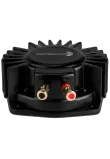
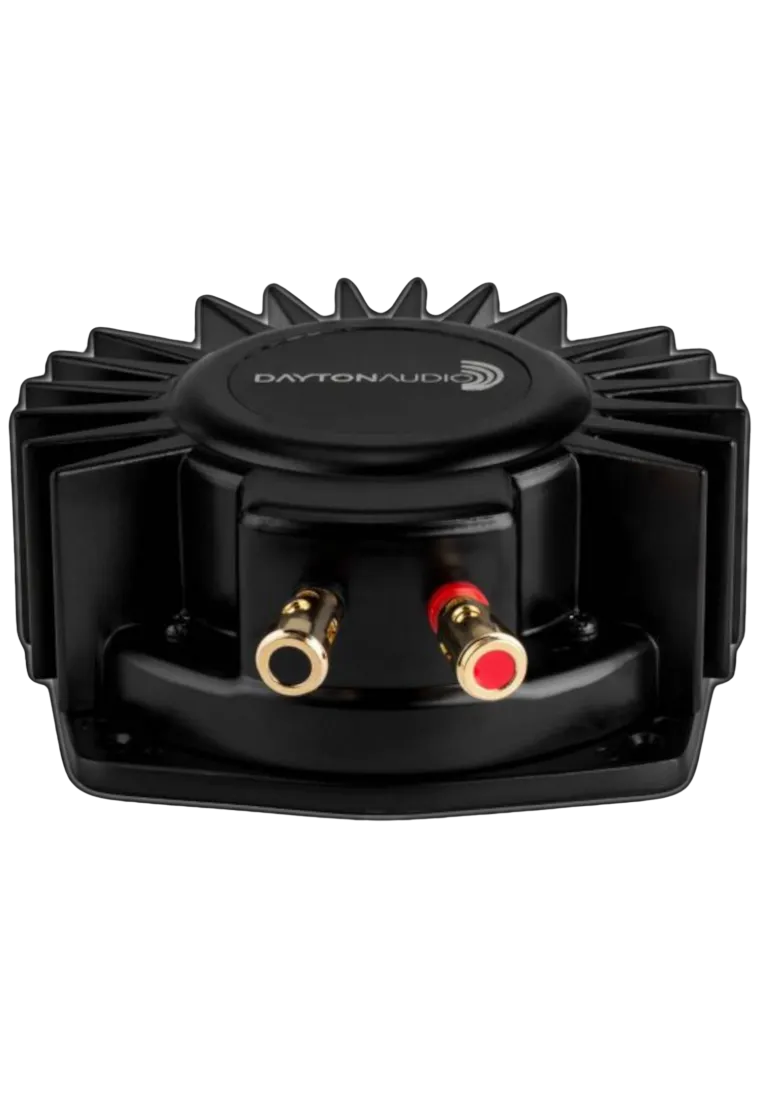
198.37zł
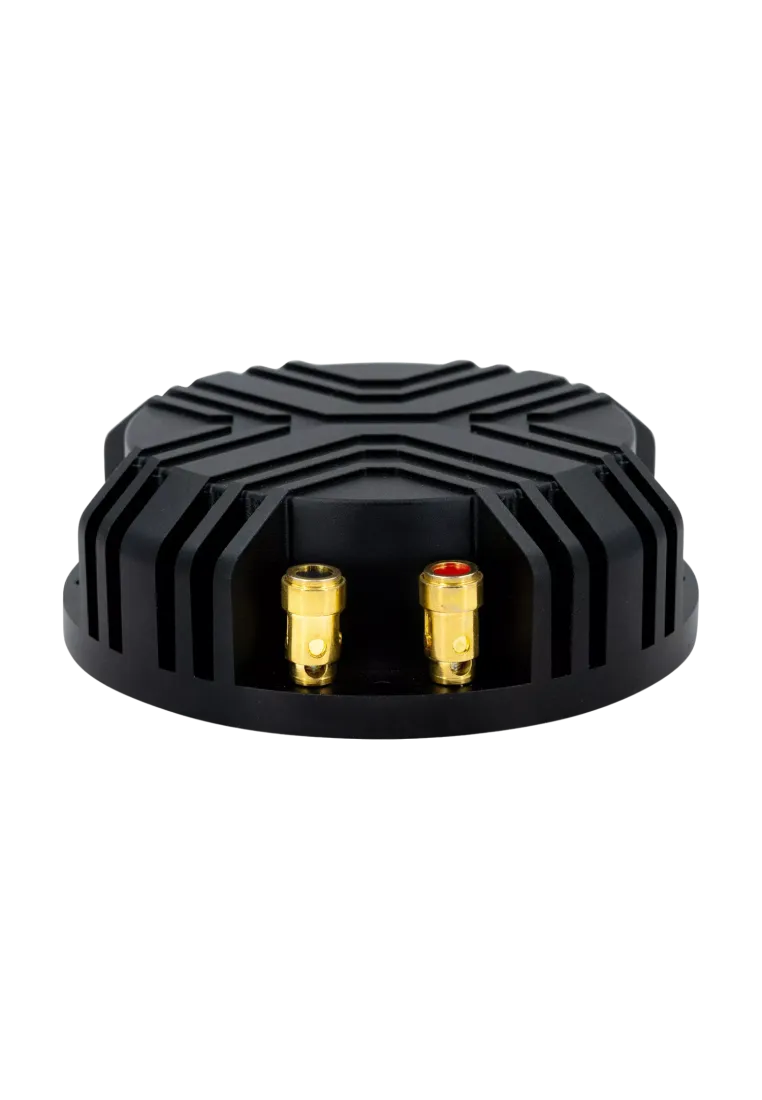
The Xcite XBS50-4 is a bass shaker rumored to deliver up to 155 N of force. That’s enough to make seismologists check which tectonic plate just started moving when the roar of a V8 kicks in through your sim rig. It is an alternative to the Dayton Audio BST-1. Power it with the Fosi Audio TB10A, using one shaker per channel.
202.44zł
You might also like
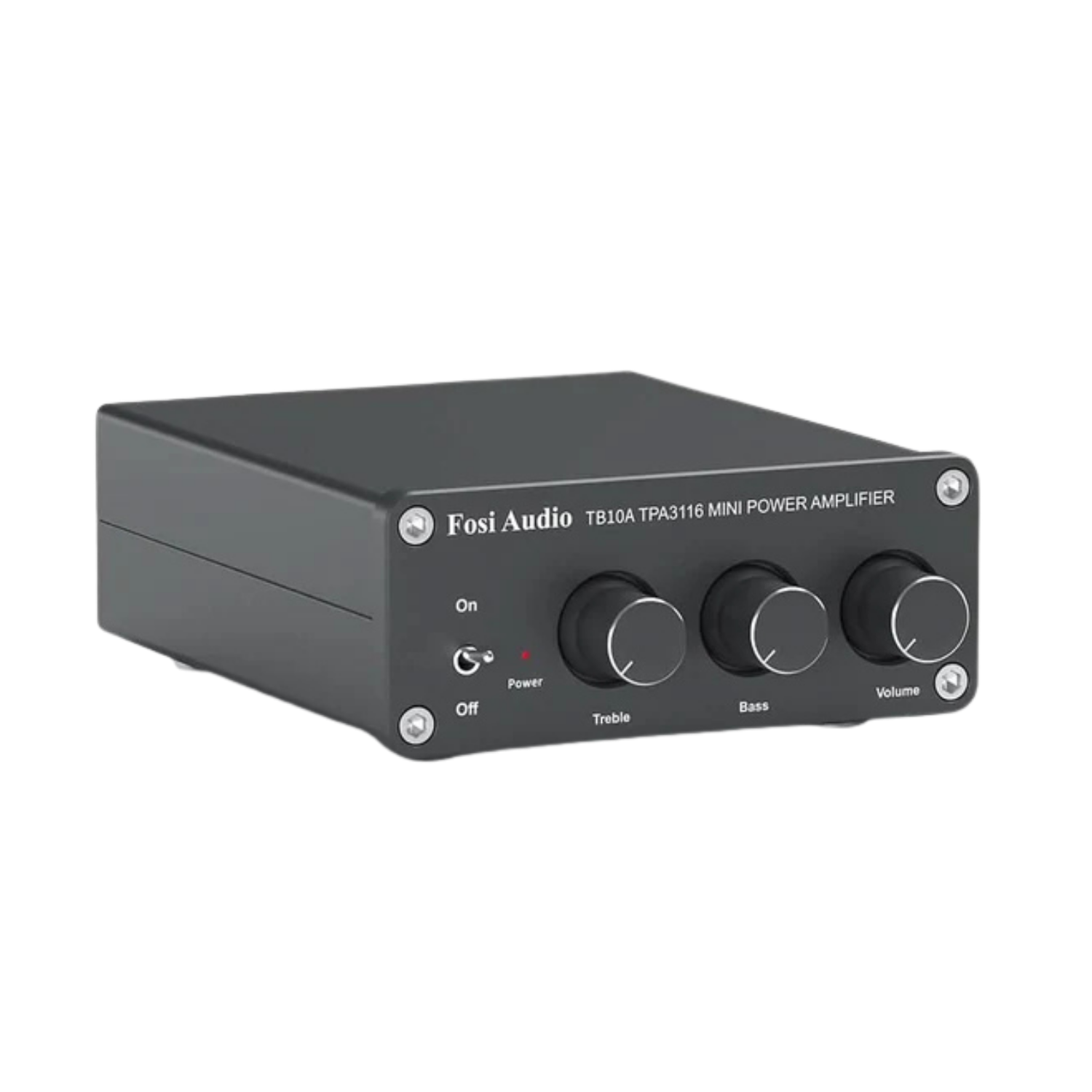
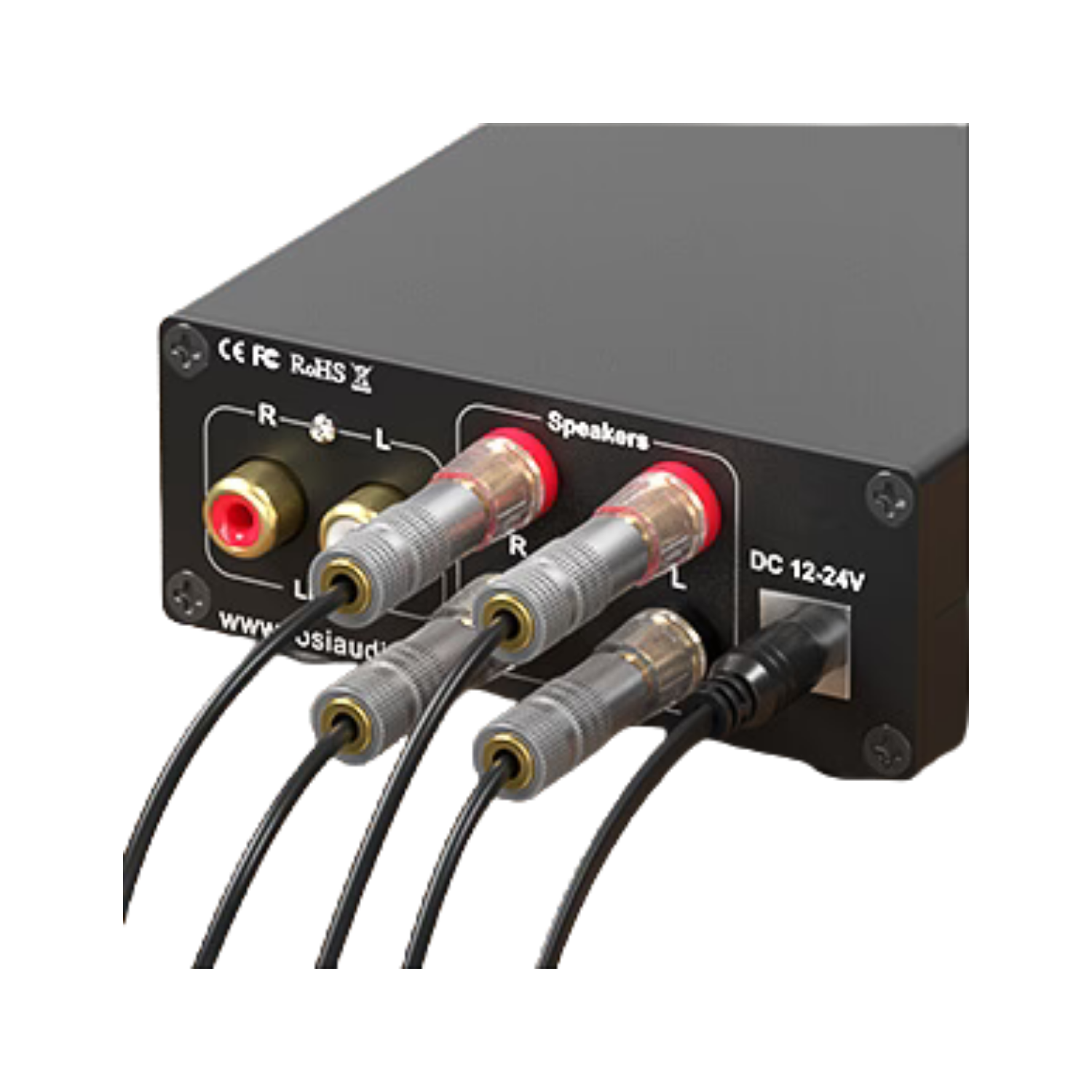
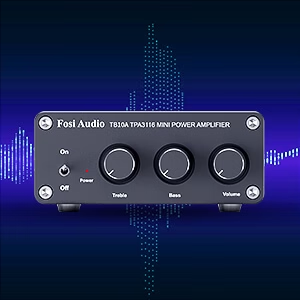

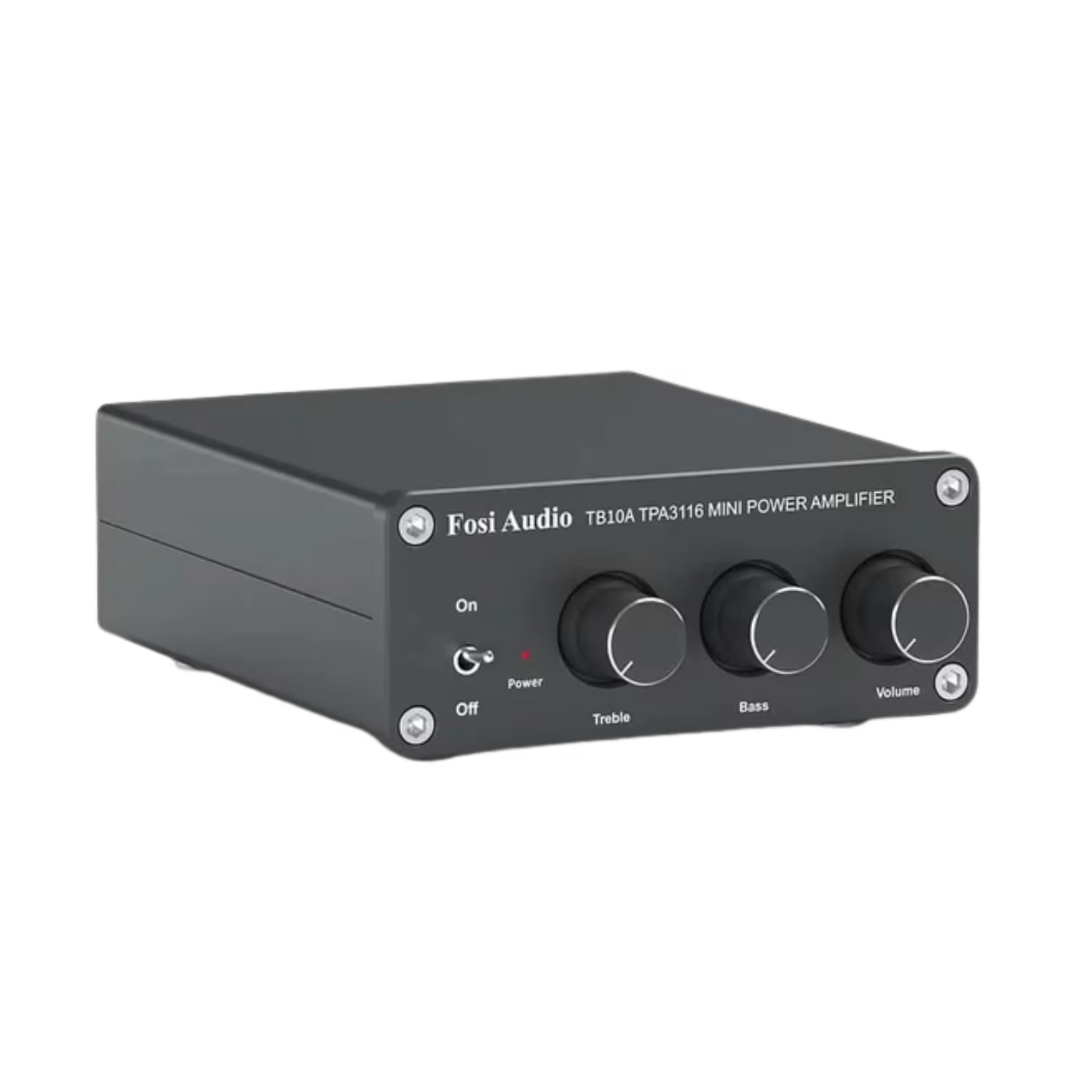
Fosi Audio TB10A uses the Texas Instruments TPA3116D2 chip and operates in Class D. This combines a compact enclosure with high efficiency, making the amplifier easy to place next to a cockpit, under a desk or beside a multimedia system.
The manufacturer rates the amplifier for a maximum output of up to 2 x 100 W into 4 ohms. A 24 V / 4.5 A power supply is included. Actual continuous power depends on the load on both channels, signal level, temperature and power-supply capacity, so 2 x 100 W should be treated as a maximum rating.
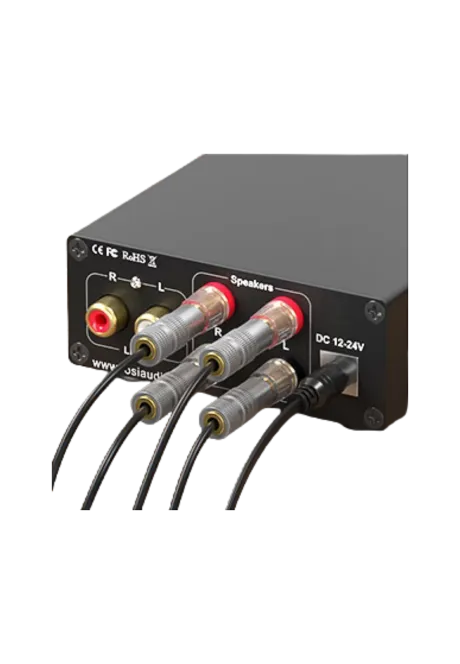
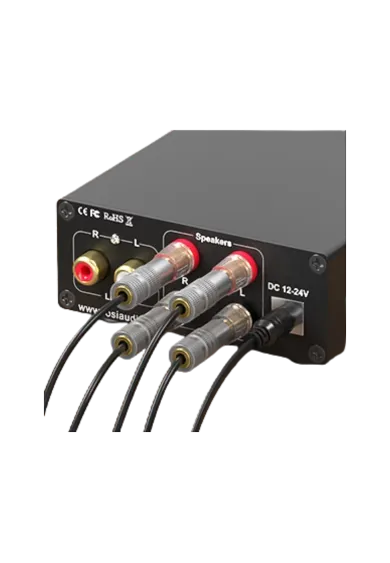
The TB10A receives an analogue stereo signal through RCA and feeds it to two independent speaker outputs. This makes it possible to power two bass shakers, for example one beneath the pedal deck and one near the seat, and assign separate SimHub effect channels to them.
The front panel provides volume, bass and treble controls. They allow quick tonal adjustment, but they do not replace a low-pass filter. The TB10A has no Bluetooth, USB or built-in sound card. Connect it to a computer through a line output or a separate audio interface and an RCA cable.
The supported 2-8-ohm load range makes the TB10A suitable for popular 4-ohm tactile transducers. It can drive the compact Xcite XBS25-4, the more powerful XBS50-4 and the large XBS100-4. With the XBS100-4, the system will provide useful tactile output, but the TB10A will not exploit the transducer's complete long-term power capability.
The TB10A is also a strong match for the 35 W RMS Dayton Audio BST-2. It can even handle the 4-ohm, 50 W RMS Dayton Audio BST-1, but the output should be increased gradually to avoid clipping or overloading the transducer. The safest arrangement uses one bass shaker on each amplifier channel.
In a sim-racing system, the computer generates effects in SimHub, the sound card sends a line-level signal to the RCA input and the TB10A amplifies it for the bass shaker through speaker cable. Mount each transducer securely to a rigid cockpit component so that energy is not lost through loose or flexible joints.
The TB10A covers 20 Hz - 20 kHz and does not include a dedicated subwoofer filter. Limit the effect range in SimHub, a DSP or the source software. A low-pass filter around 80-100 Hz, low initial output and gradual level adjustment provide a sensible starting point. Do not bridge the channels or connect their negative terminals together unless the manufacturer explicitly approves that operating mode.
| Technical specification - Fosi Audio TB10A | |
|---|---|
| Device type | Two-channel Class D stereo amplifier |
| Amplifier chip | Texas Instruments TPA3116D2 |
| Channels | 2.0 |
| Manufacturer-rated maximum output | Up to 2 x 100 W into 4 ohms |
| Supported load | 2-8 ohms |
| Frequency response | 20 Hz - 20 kHz, ±1 dB |
| SNR | ≥ 98 dB |
| THD | ≤ 0.5% according to the specification table and manual |
| Input sensitivity | ≤ 280 mV |
| Audio input | Analogue stereo RCA |
| Outputs | Two speaker channels, binding posts for speaker wire and 4 mm banana plugs |
| Controls | Volume, bass, treble and power |
| DC input range | 15-24 V DC |
| Included power supply | 24 V / 4.5 A |
| Dimensions | 130 x 100 x 35 mm |
| Weight | 650 g |
| Bass shaker | Impedance and power | Operation with the Fosi Audio TB10A |
|---|---|---|
| Xcite XBS25-4 | 4 ohms, 25 W RMS noise test, 125 W long-term maximum | Yes. A strong match for compact and multi-point tactile systems. |
| Xcite XBS50-4 | 4 ohms, 50 W RMS noise test, 250 W long-term maximum | Yes. It will provide strong feedback but will not use the transducer's full maximum headroom. |
| Xcite XBS100-4 | 4 ohms, 100 W RMS noise test, 500 W long-term maximum | Yes, at moderate output. It will drive the transducer but will not exploit its full capability. |
| Dayton Audio BST-2 | 4 ohms, 35 W RMS | Yes. The amplifier has ample headroom, so begin with a low volume setting. |
| Dayton Audio BST-1 | 4 ohms, 50 W RMS | Yes. The TB10A can handle the BST-1, but the transducer's rated power must not be exceeded. |
Bass shakers, RCA cables, speaker cables, sound card and mounting brackets are not included.
Yes. It supports 2-8-ohm loads and can drive popular 4-ohm tactile transducers. The simplest setup uses one shaker on each channel.
Yes. The XBS25-4 has a nominal 4-ohm impedance and is a suitable load for the TB10A. Increase the output gradually.
Yes. Both models have a nominal 4-ohm impedance. The TB10A is a strong match for the XBS50-4 and will run the XBS100-4 at useful intensity, although it will not exploit the XBS100-4's full power capability.
Yes. The BST-1 is rated at 4 ohms and 50 W RMS. Set the output so that the transducer's capability is not exceeded.
Yes. The BST-2 is rated at 4 ohms and 35 W RMS. The amplifier has ample headroom, so begin configuration at low volume.
The safest setup uses two transducers, one on each channel. More complex wiring requires calculation of the final impedance and consideration of power-supply capacity and cooling.
No. It uses an analogue RCA input. The computer must provide a line output through an internal or external sound card.
No. Bass and treble controls are not a dedicated crossover. Configure filtering in SimHub, a DSP or the source software.
It is the maximum rating stated by the manufacturer. The included 24 V / 4.5 A power supply has limited total power, so actual continuous output from both channels depends on operating conditions.
Yes. SimHub sends effect audio through the selected sound card, while the TB10A amplifies that signal for the bass shakers. The amplifier does not read telemetry by itself.
You might also like