Shopping Cart
There are no more items in your cart
 English
  Polski
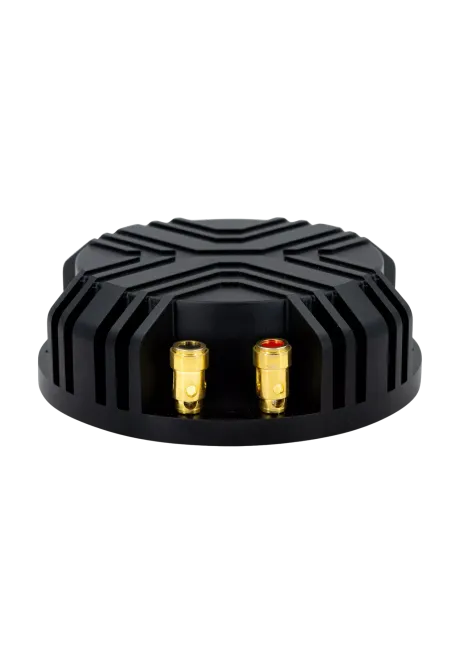
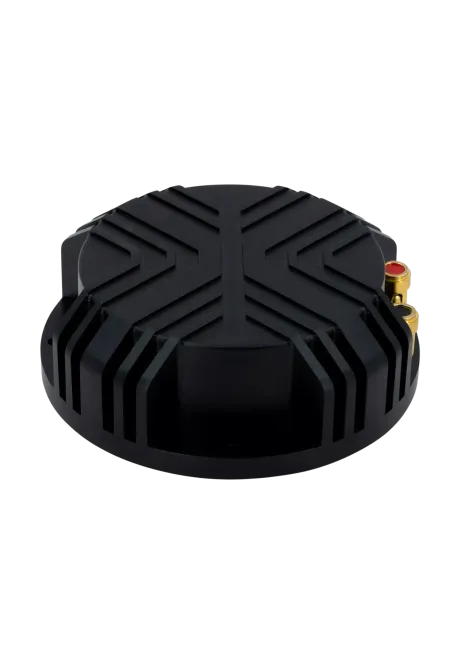
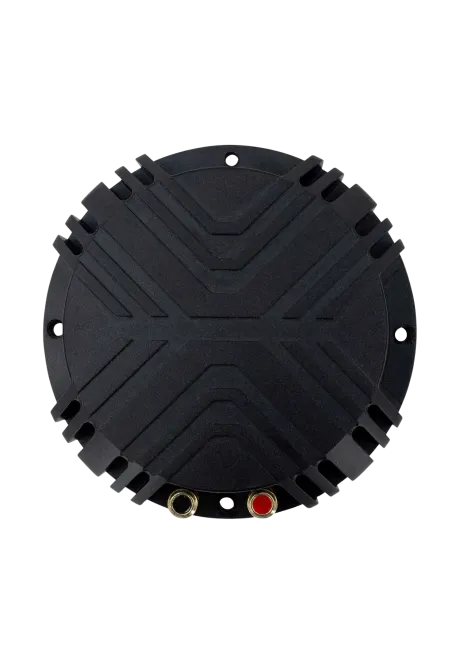
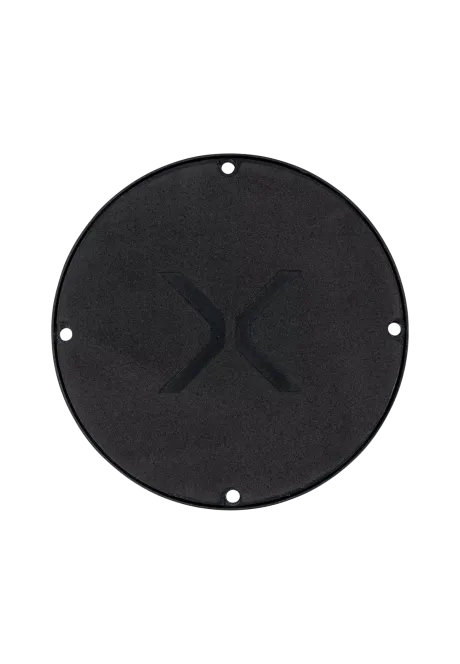
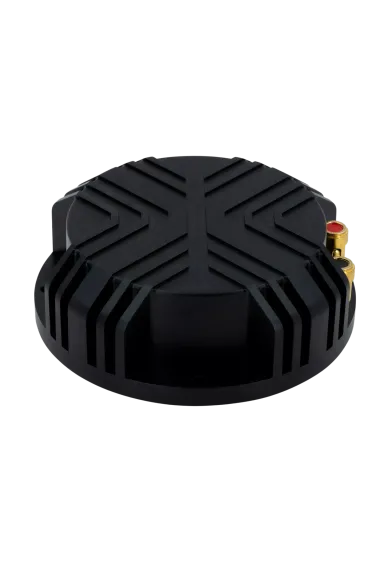
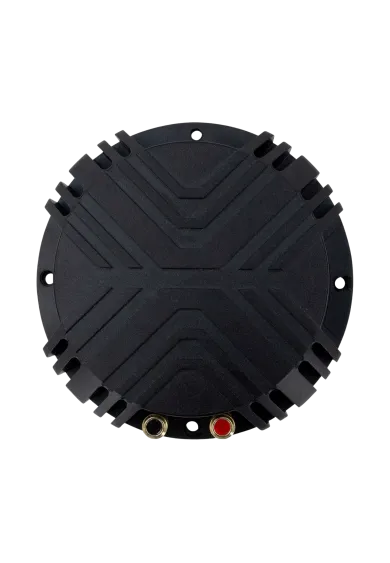
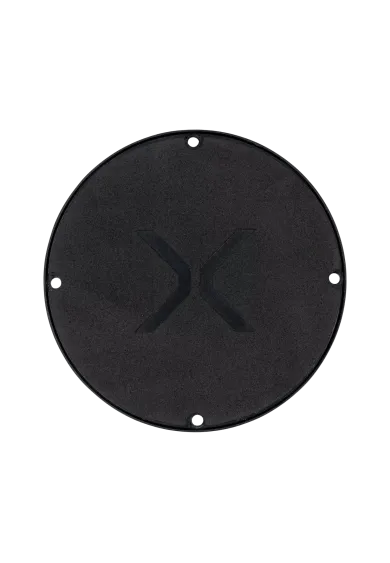
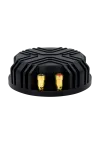
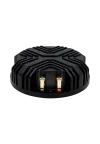
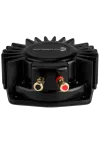
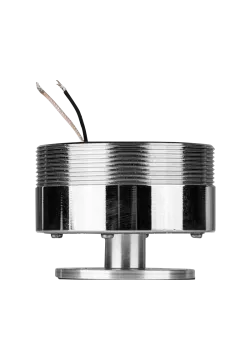
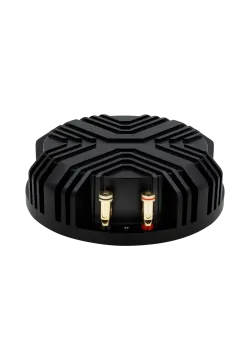
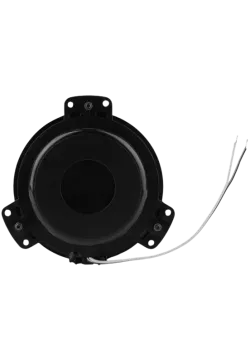
Dayton Audio BST-1
198.37zł

202.44zł
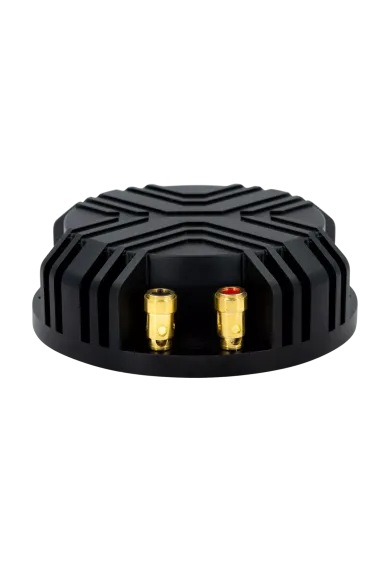
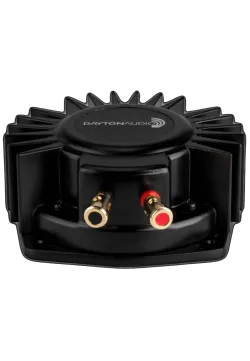
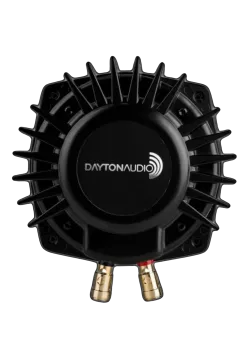
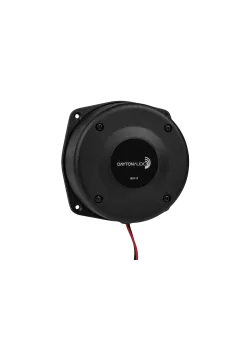
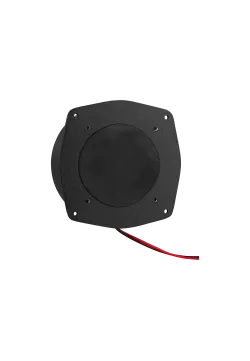
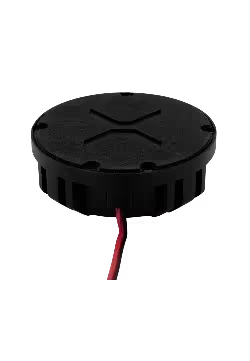
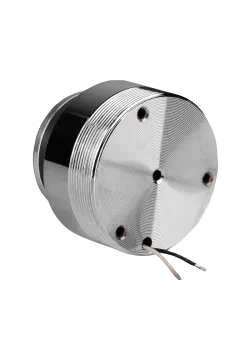
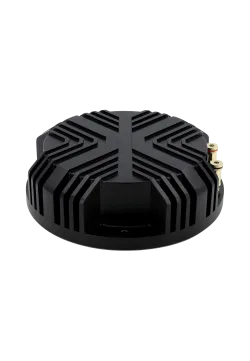
The Xcite XBS50-4 is a bass shaker rumored to deliver up to 155 N of force. That’s enough to make seismologists check which tectonic plate just started moving when the roar of a V8 kicks in through your sim rig. It is an alternative to the Dayton Audio BST-1. Power it with the Fosi Audio TB10A, using one shaker per channel.
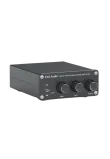
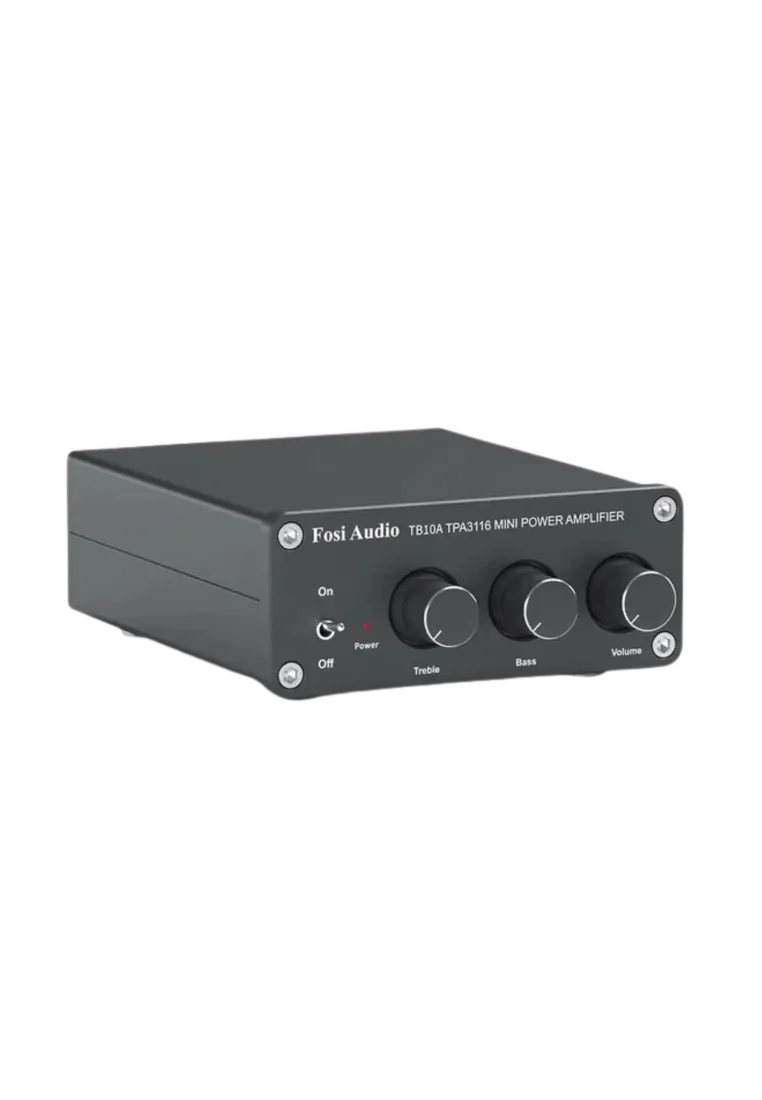
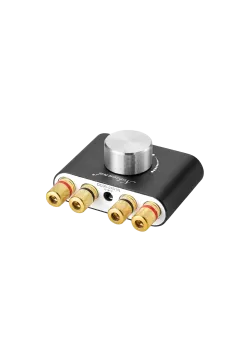
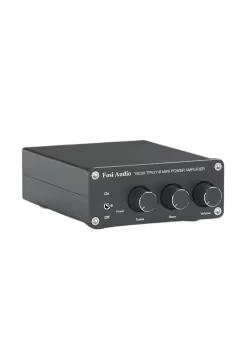
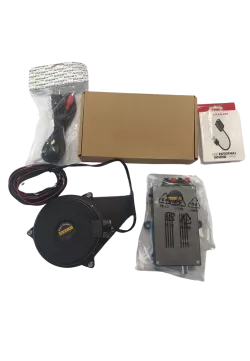
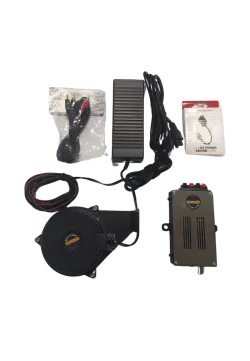
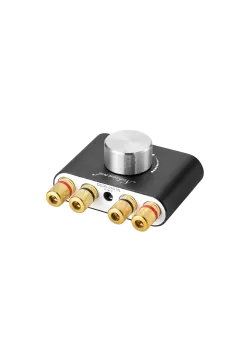
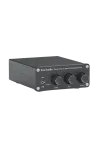
Fosi Audio TB10A is a compact two-channel Class D amplifier for passive speakers and sim-racing tactile systems. It supports 2-8-ohm loads, output of up to 2 x 100 W into 4 ohms and includes a 24 V / 4.5 A power supply. It can drive the Xcite XBS25-4, XBS50-4 and XBS100-4 bass shakers as well as the Dayton Audio BST-2. It can also handle the more powerful BST-1 when the output level is set responsibly.
283.74zł
You might also like
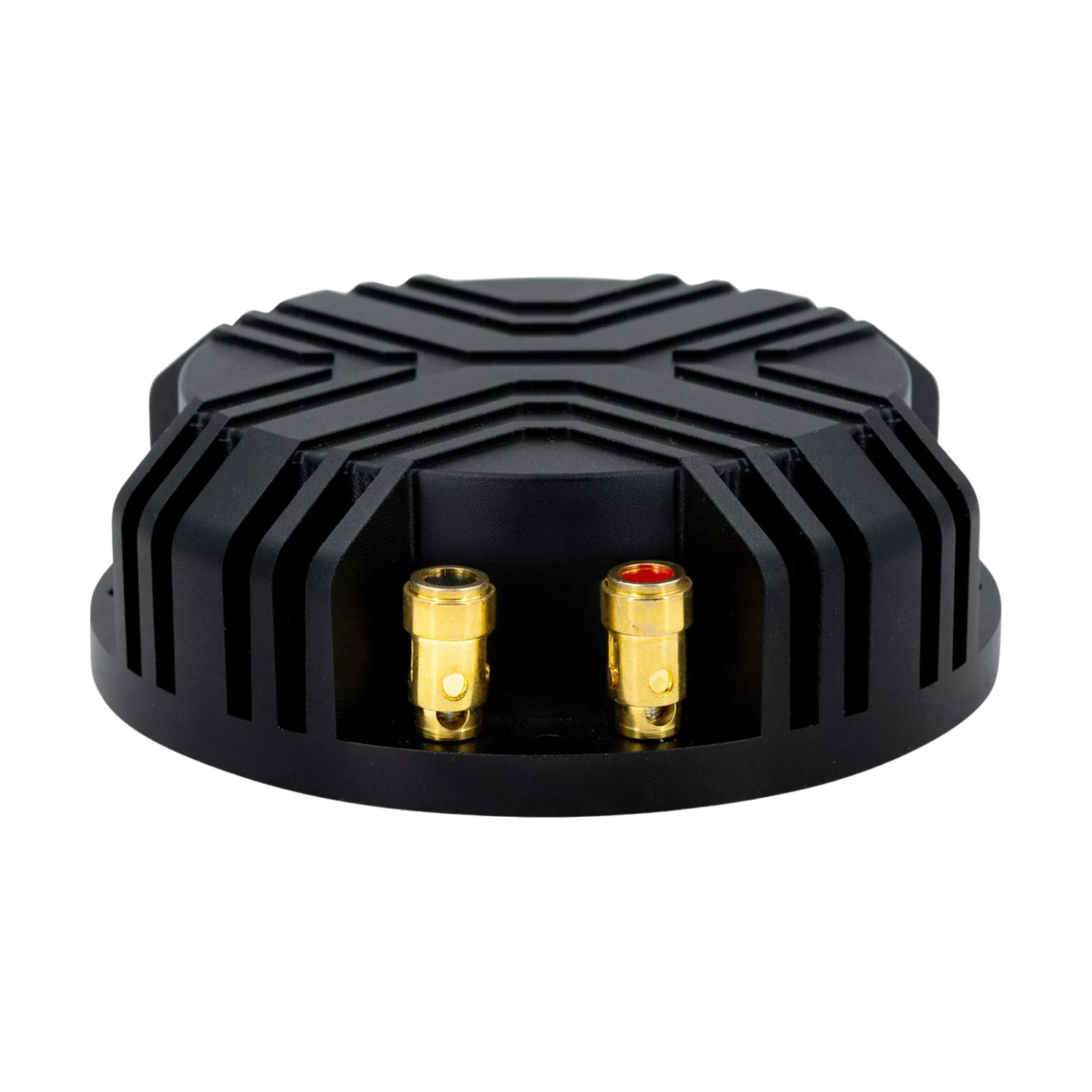
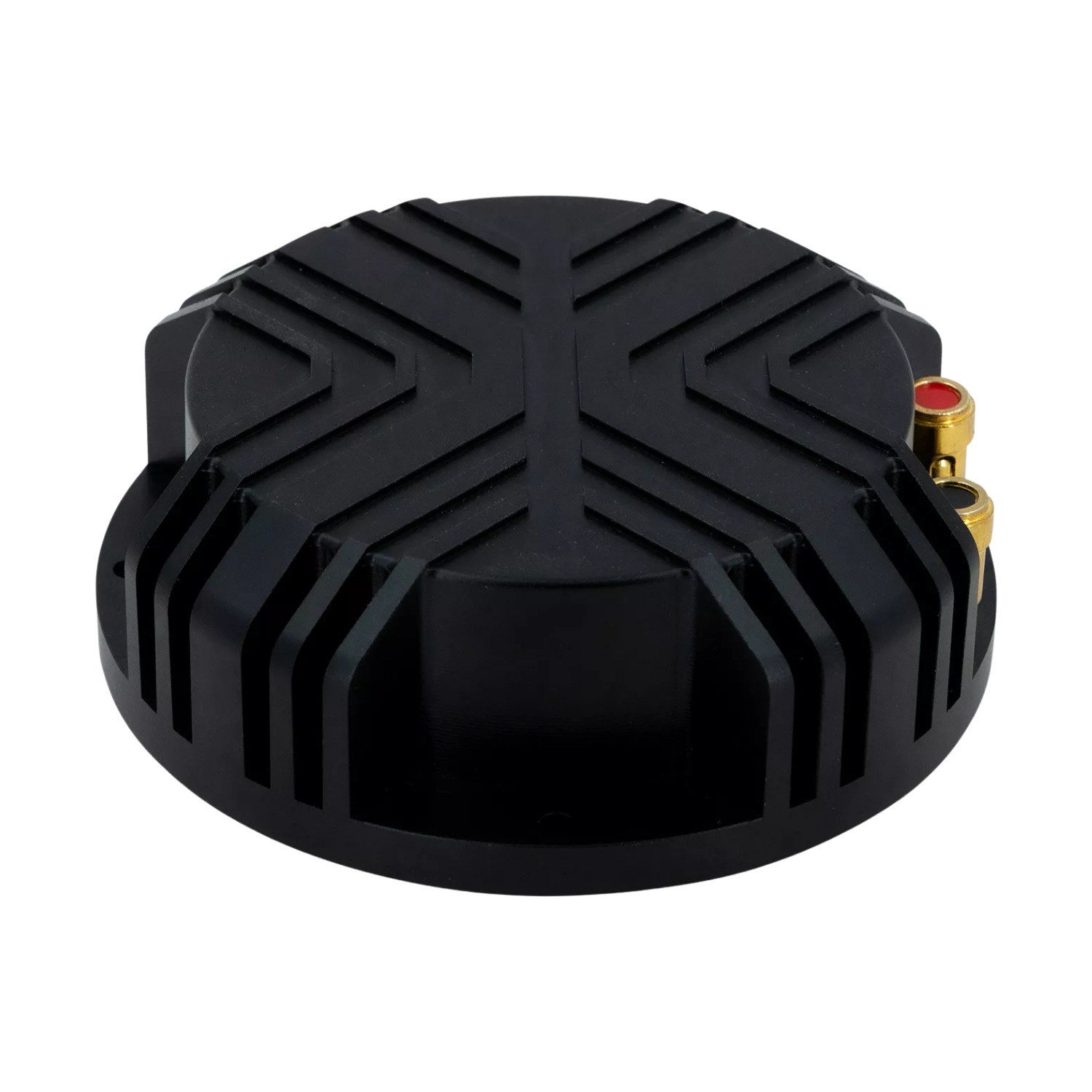
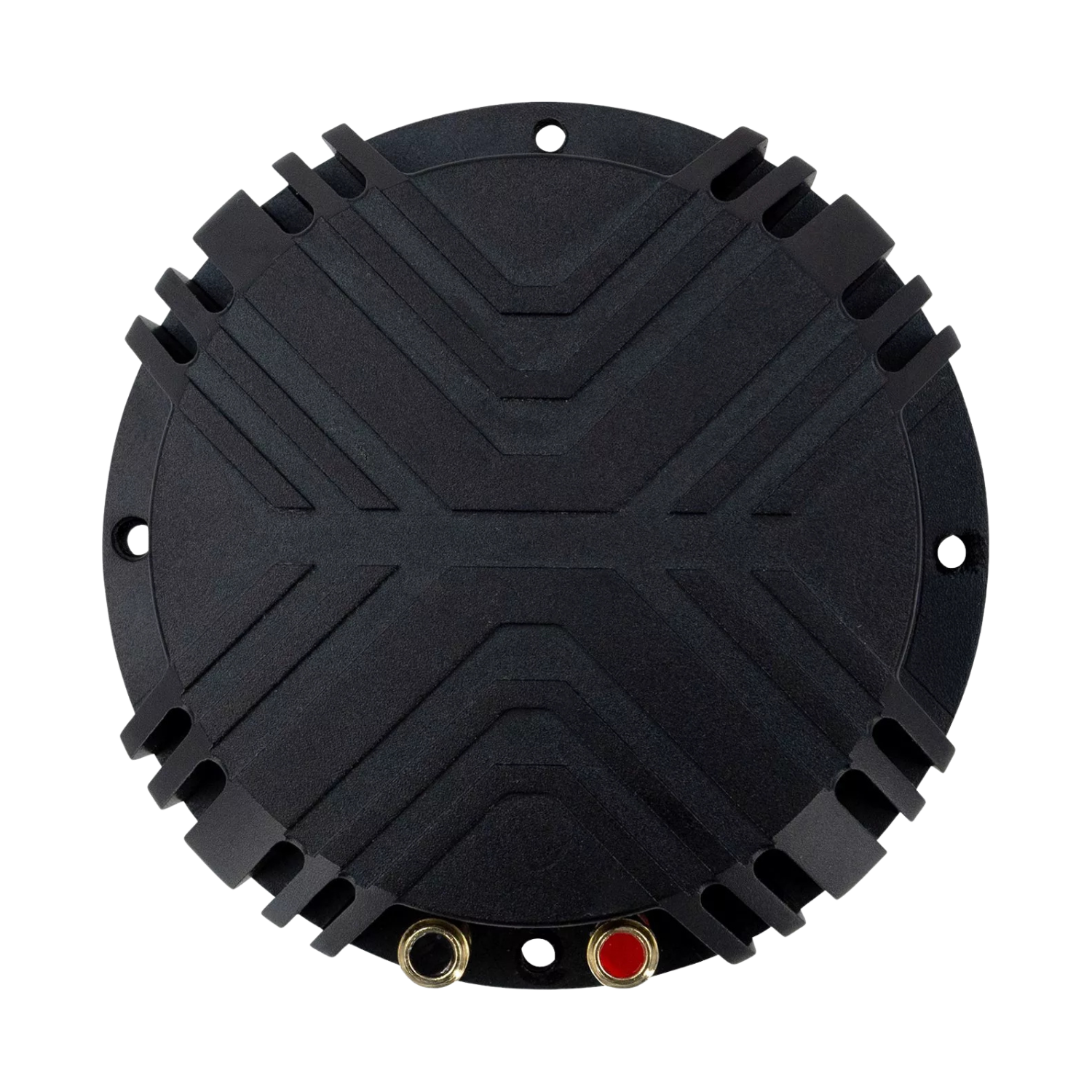
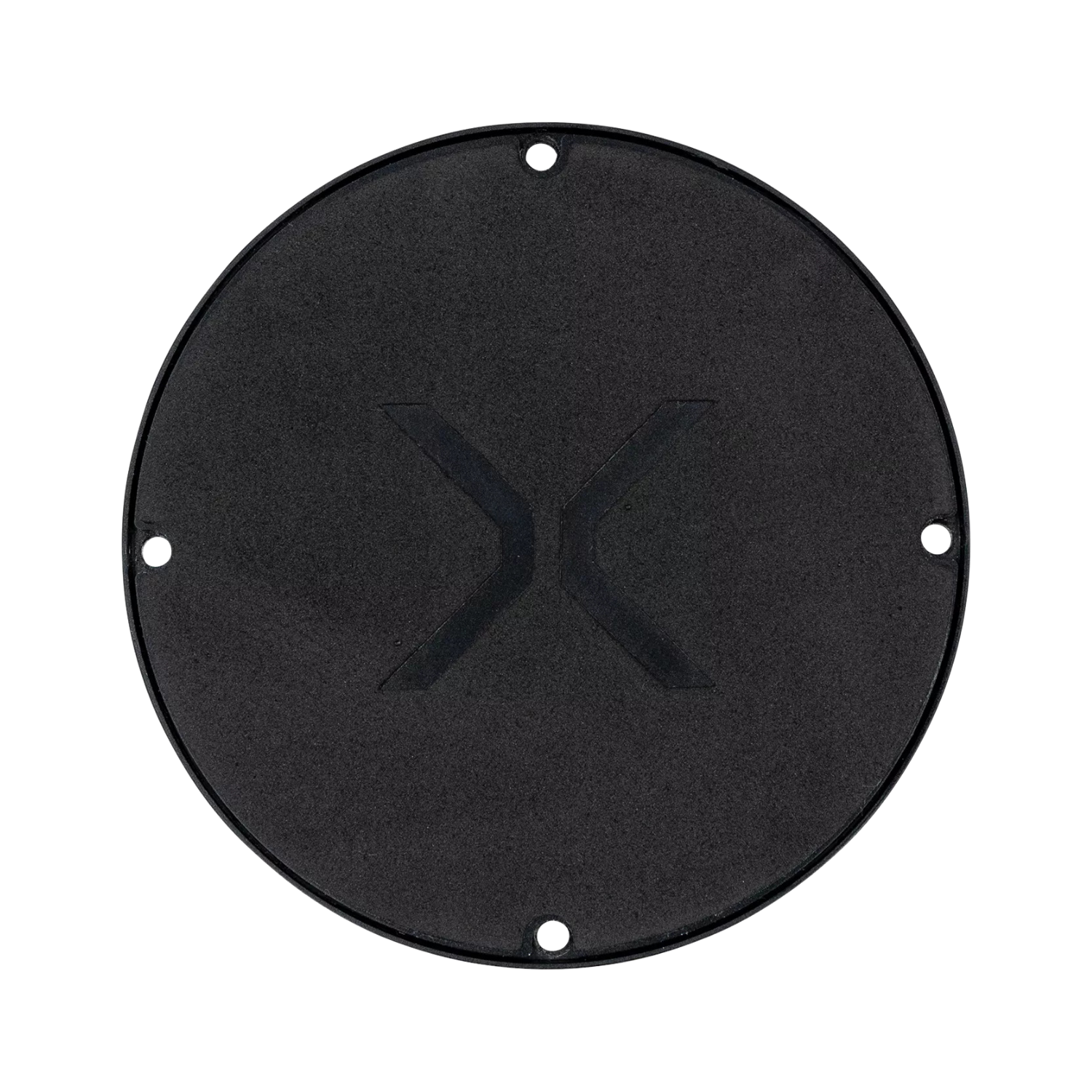
Xcite XBS50-4 converts an audio signal into vibration transferred directly to a seat, pedal deck or another cockpit component. It makes engine speed, gear shifts, kerbs, surface texture, wheel slip, lock-ups and ABS physically perceptible.
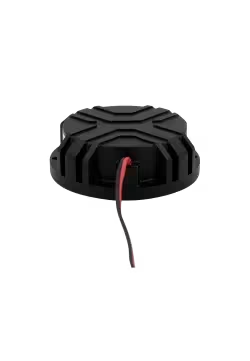
With a 104 mm diameter, 35 mm height, ±9 mm mechanical excursion and up to 155 N peak force, it is larger and more powerful than the XBS25-4 while remaining much more compact than many traditional transducers of similar intensity. It is a strong choice beneath a seat or pedal deck when a clear impact is required without making the cockpit structure bulky.
The SpiderCore architecture integrates the suspension into the motor core. This allows the XBS50-4 to retain a low profile without limiting excursion. An FEA-optimised neodymium motor, four-layer 72 mm voice coil and dual steel suspension provide fast response and controlled movement.
The 17 Hz - 1 kHz range covers both deep impacts and shorter details. A 33.5 Hz resonance supports powerful low-frequency effects, while 78 N average force and 155 N peak force provide considerable dynamics. The aluminium enclosure helps dissipate heat, and the IP66 rating increases the transducer's resistance to dust and moisture.
The XBS50-4 can operate beneath a seat as the main tactile source or on a pedal deck to provide front-axle, ABS and wheel-lock information. Two transducers can be separated into left and right channels or front and rear cockpit zones. Telemetry effects require SimHub, an audio output, an amplifier and speaker cable.
The datasheet specifies a 96 mm mounting diameter. Attach the transducer to a rigid plate or profile because soft upholstery and flexible brackets absorb energy. Transfer the hole positions from the delivered unit before drilling. In SimHub, begin at low volume, enable individual effects and raise their intensity gradually. A low-pass filter around 80-100 Hz is a sensible starting point for basic effects, although the final setting depends on mounting position and the mass being moved.
Fosi Audio TB10A is the better default choice for the XBS50-4 when power headroom and a complete power-supply package are the priorities. It supports 2-8-ohm loads, provides two channels, has a manufacturer-rated maximum output of up to 2 x 100 W into 4 ohms and includes a 24 V / 4.5 A supply. Actual continuous power depends on both channel loads, temperature and power-supply capacity, so the 2 x 100 W figure must not be treated as guaranteed continuous output.
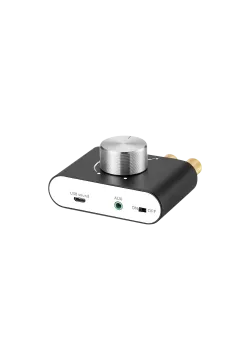
The Nobsound NS-01G PRO also works with the XBS50-4 and can supply up to 2 x 50 W into 4-8-ohm loads. Its built-in USB sound card, Bluetooth and AUX input make direct PC connection easier. We recommend the TB10A for the more powerful system and the NS-01G PRO for a compact configuration where USB, size and simplicity matter more.
| Technical specification - Xcite XBS50-4 | |
|---|---|
| Product type | Passive bass shaker / tactile transducer |
| Nominal impedance | 4 ohms |
| Rms Noise Test | 50 W, IEC 60268-5 |
| Long-term maximum power | 250 W, IEC 60268-5 |
| Frequency range | 17 Hz - 1 kHz, -10 dB |
| Resonant frequency Fs | 33.5 Hz |
| Mechanical Xmax | ±9.0 mm |
| Peak / average force | 155 N / 78 N |
| Force sensitivity | 4.5 N/W, average 10-100 Hz |
| DC resistance Re | 4.17 ohms |
| Inductance Le | 0.22 mH |
| Force factor Bl | 7.40 N/A |
| Stiffness Kms | 9.97 N/mm |
| Moving mass Mms | 225 g |
| Qts / Qms / Qes | 2.60 / 9.34 / 3.61 |
| Dimensions | Ø104 x 35 mm |
| Total weight | 530 g in datasheet v1.2; the online product page states 540 g |
| Mounting diameter | 96 mm |
| Voice coil | Ø72 mm, 4 layers |
| Materials | Aluminium basket, steel suspension |
| IP rating | IP66 |
It is a passive 4-ohm tactile transducer that converts an amplifier signal into vibration in a seat, pedal deck or cockpit structure.
The values describe different IEC 60268-5 tests. Xcite specifies 50 W for the Rms Noise Test and 250 W for Long-term Max Power. The 250 W value must not be described as 250 W RMS.
Yes. The Fosi Audio TB10A supports 4-ohm loads and is the recommended option for this model. Connect one XBS50-4 to each channel and raise the output gradually.
The TB10A has more rated headroom and normally includes a 24 V / 4.5 A supply. The NS-01G PRO offers up to 2 x 50 W, while its supply is sold separately according to the current Simline page. The TB10A does not guarantee 2 x 100 W continuous output because actual power remains limited by the supply and both channel loads.
Yes. It supports a 4-ohm load and can power one XBS50-4 on each channel. It provides useful intensity but less headroom than the TB10A. Available output depends on the selected power supply.
Yes. The recommended arrangement uses one 4-ohm shaker on the left channel and one on the right. Do not join or bridge the channels unless the manufacturer explicitly approves that mode.
No. It is a passive transducer and requires an amplifier, speaker cable and a signal from a sound card or audio interface.
Yes. SimHub generates audio effects from telemetry, and the amplifier drives the bass shaker. The XBS50-4 itself has no USB connection, driver or telemetry processing.
The datasheet specifies a 96 mm mounting diameter. A rigid plate or profile gives the best result. Confirm the actual hole positions on the delivered unit before drilling.
The IP66 rating applies to the transducer itself. It does not make the amplifier, cables, connectors or remaining installation resistant to water and dust.
The offer covers one Xcite XBS50-4. Amplifier, sound card, cables and cockpit mount must be selected separately.
| Component | Role in the system |
|---|---|
| Xcite XBS50-4 | Converts an amplified audio signal into cockpit vibration. |
| Fosi Audio TB10A | Recommended dual-channel 4-ohm amplifier. Connect one shaker to each channel. |
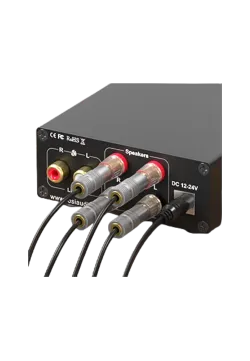
| Audio output | The TB10A requires a line output or separate sound card connected through RCA. |
| SimHub | Converts game telemetry into assigned audio effects. |
| Speaker cable | Connects the amplifier output to the bass shaker terminals. |
| Rigid mount | Transfers energy into the seat, pedal deck or another cockpit component. |
You might also like