Shopping Cart
There are no more items in your cart
 English
  Polski
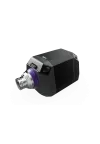
Conspit ARES 12
2,039.02zł

2,765.00zł
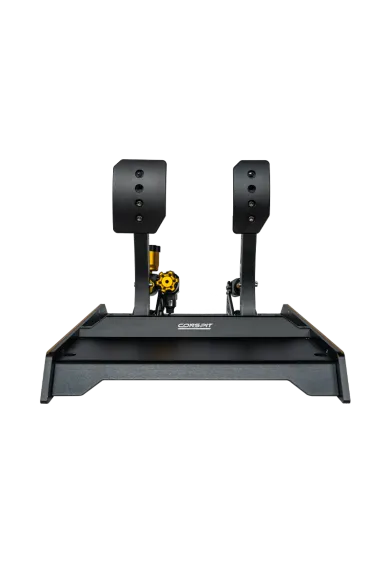
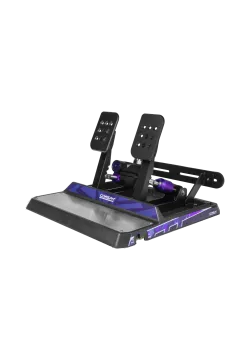
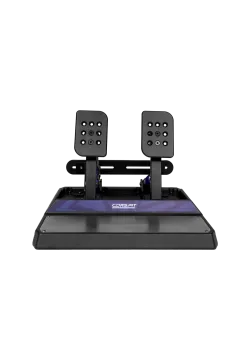
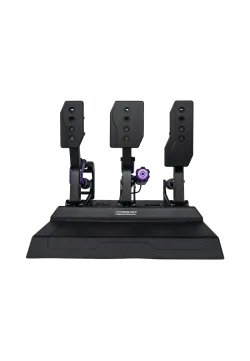
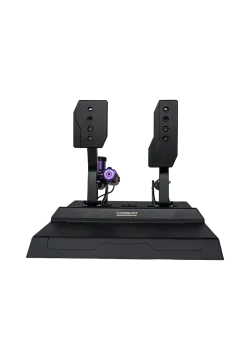
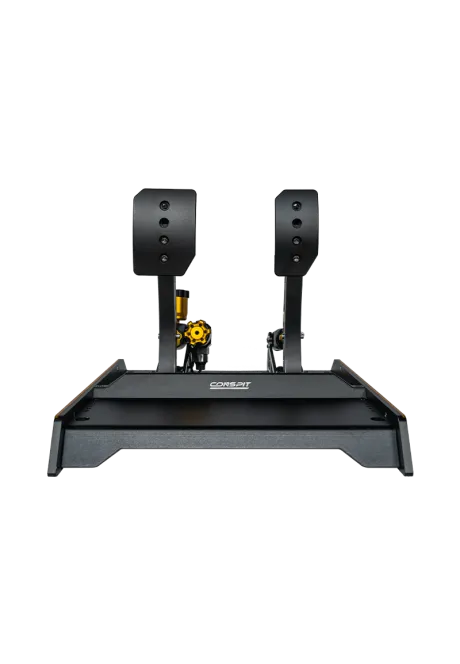
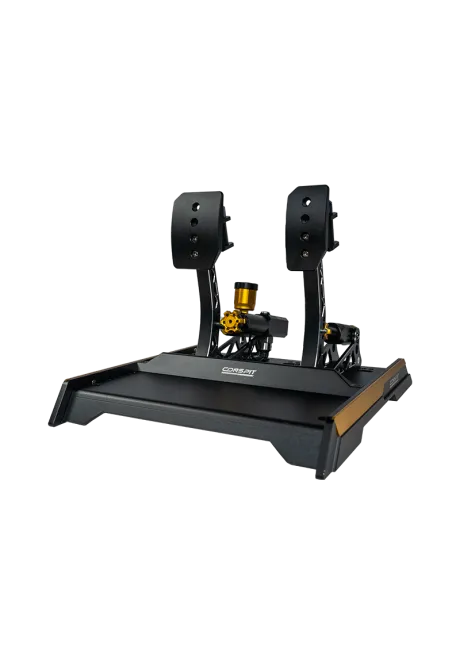
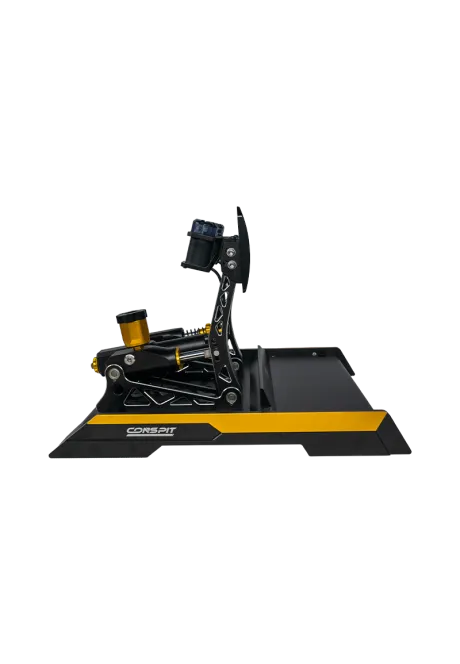
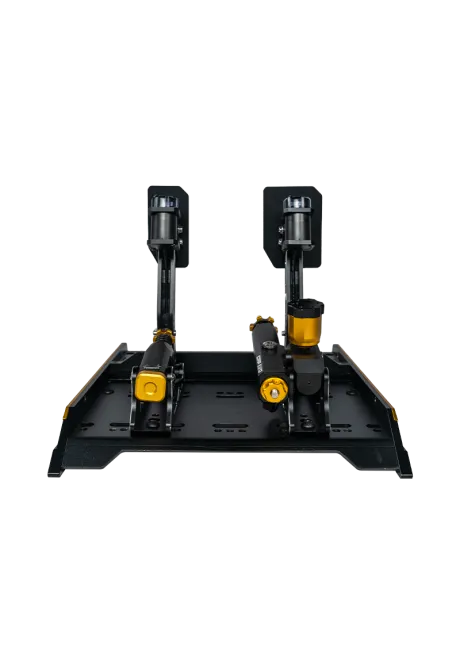
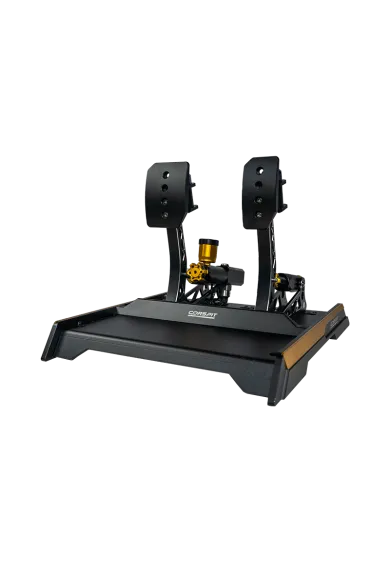
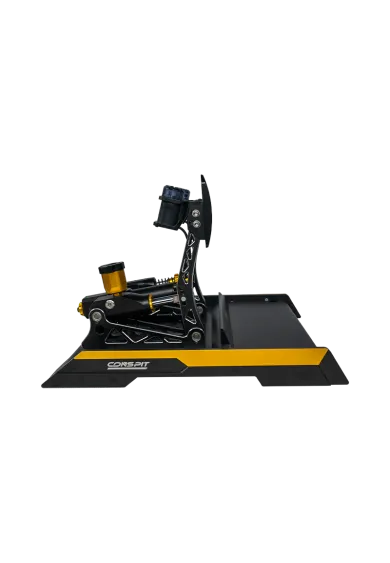
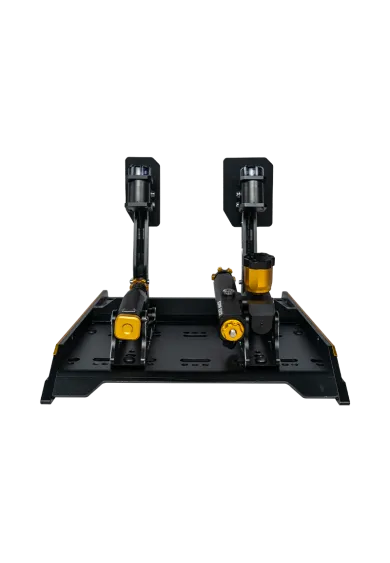
Conspit CPP EVO V2 hydraulic sim racing pedals come as a two-pedal set, a three-pedal set or a clutch-only variant. V2 adds a chrome-plated 45-steel brake piston and dual Step-Seal cylinder. Connect them to a PC by USB or through CONSPIT CAN with Conspit ARES 12 and ARES Platinum 20 wheelbases.
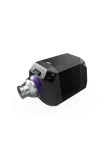
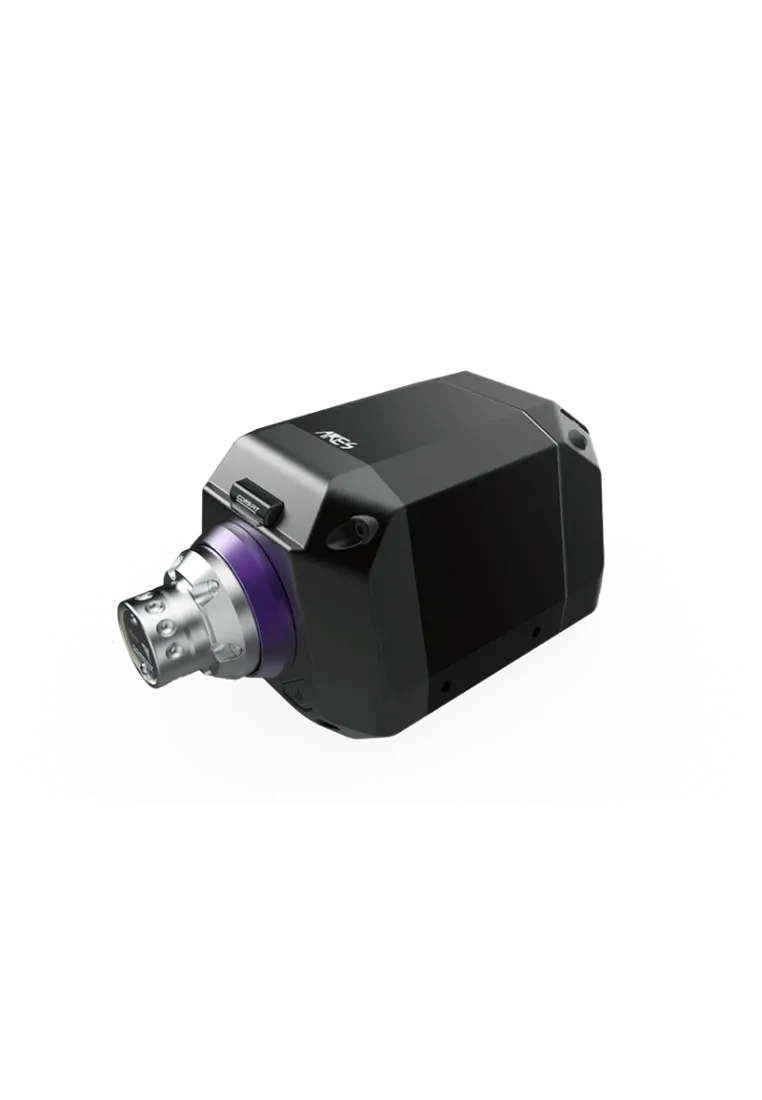
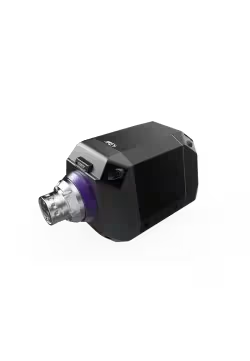
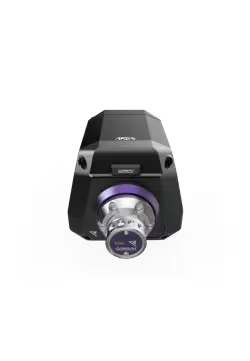
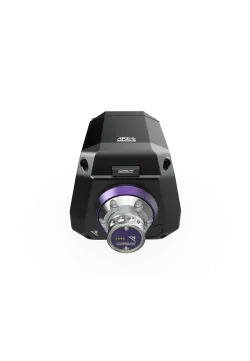
Conspit ARES 12 – compact 12 Nm direct‑drive base with 23‑bit optical encoder (<0.01°), CDR quick‑release, aerospace-aluminum build, real‑time thermal control
2,039.02zł Customize
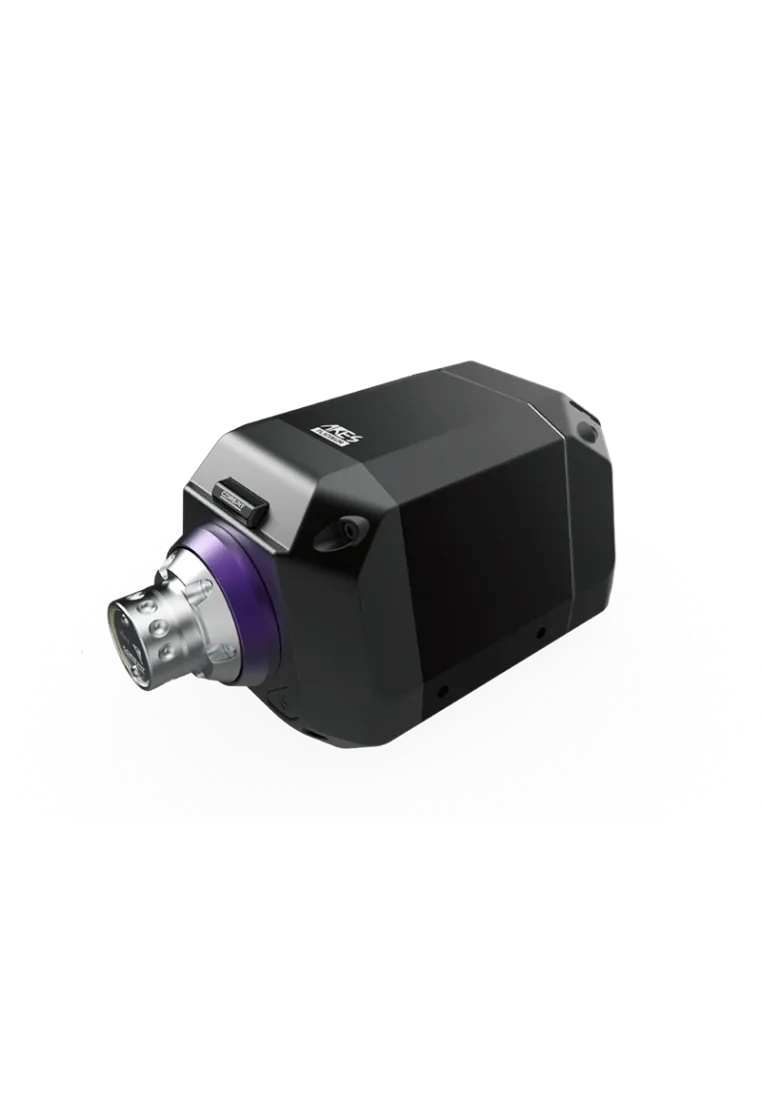
Conspit ARES Platinum 20 delivers 20 Nm peak torque, ultra-precise 23‑bit optical encoder, rapid 9.5 Nm/ms torque response, CNC‑machined aluminum build, CDR quick‑release, and POGO expansion—engineered for elite sim racers.
Conspit ARES Platinum 20 PREORDER
2,869.11zł Customize
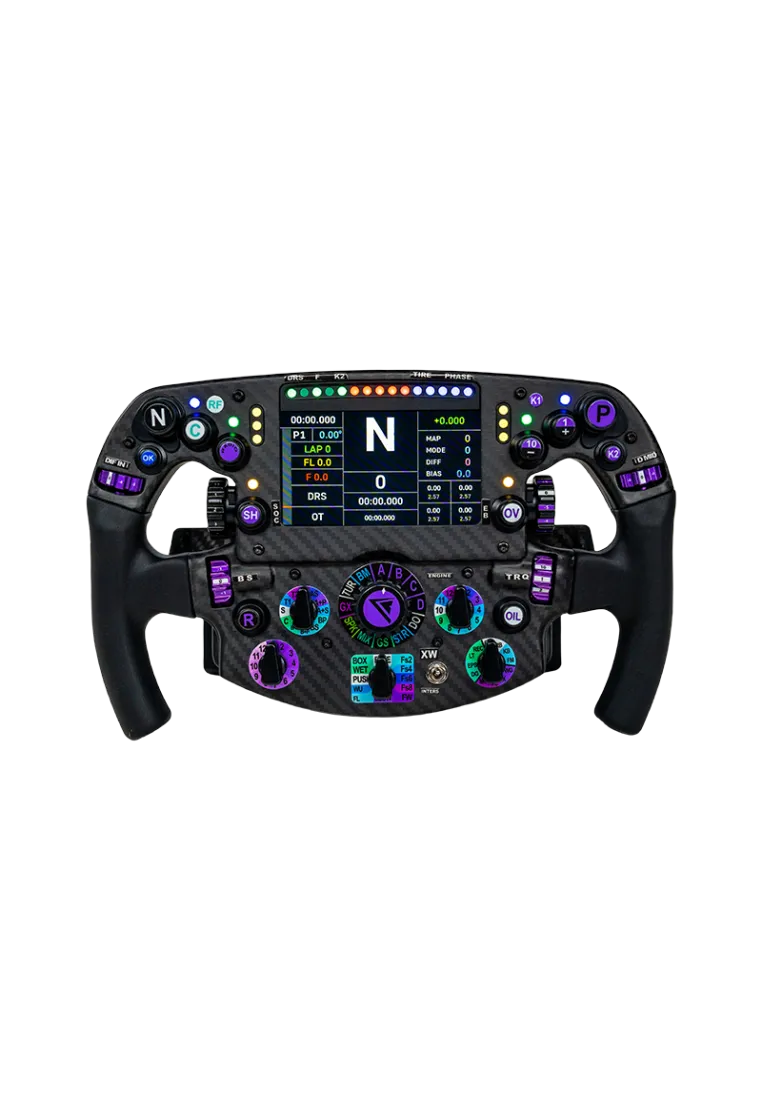
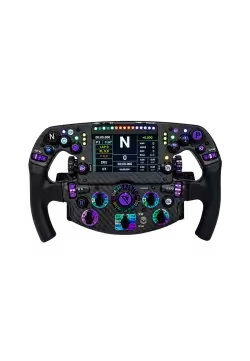
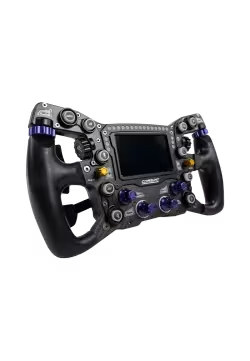
Conspit PW1 Formula delivers an elite F1-style experience: 280 mm carbon fiber grip, retina‑sharp display, dual‑mode clutch paddles, magnetic rocker shifters, and CDP quick‑release. Only 500 units made—engineered for serious simracers.
6,506.50zł
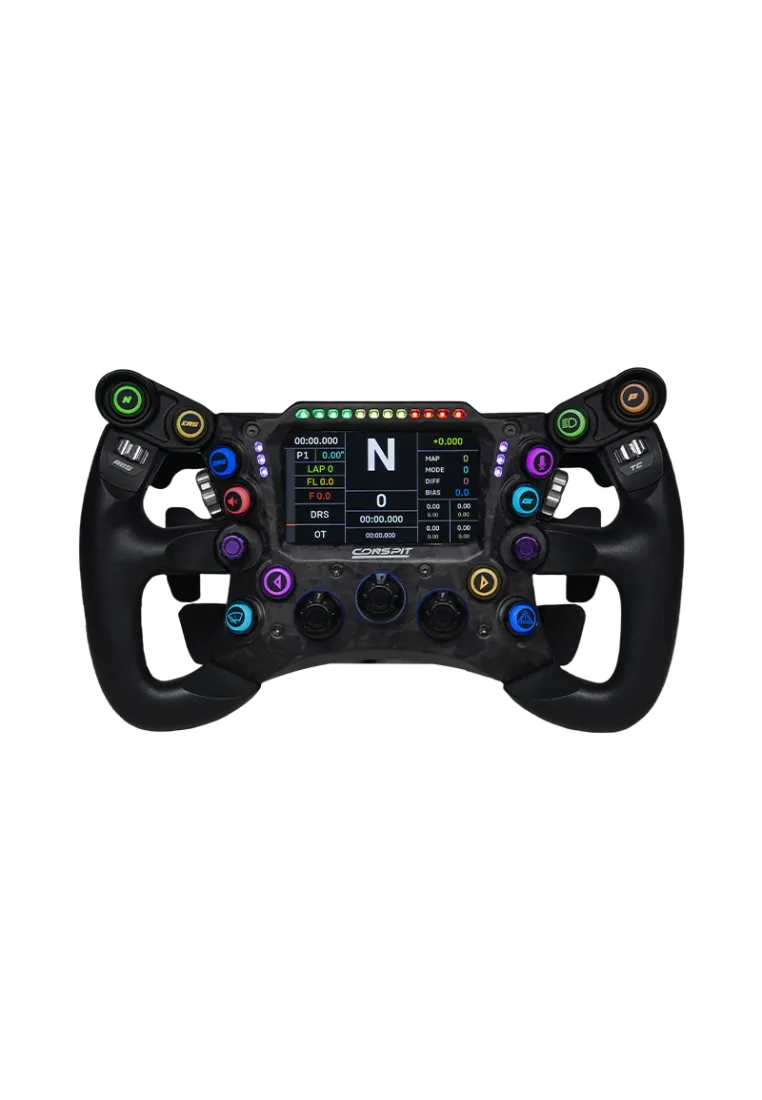
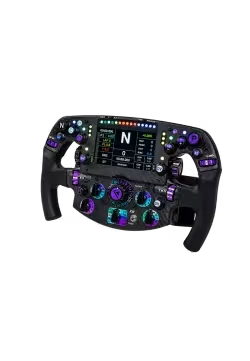
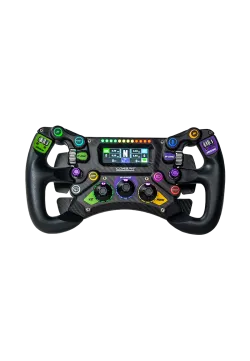
Conspit 290 GP Formula Wheel delivers a Formula‑style simracing experience with a rigid carbon‑aluminium build (~1.4 kg), ergonomic 3D layout, 4.3″ LCD dashboard, 18 RGB LEDs, MagFlip magnetic paddles, dual‑clutch and optional CDP quick‑release.
2,487.80zł
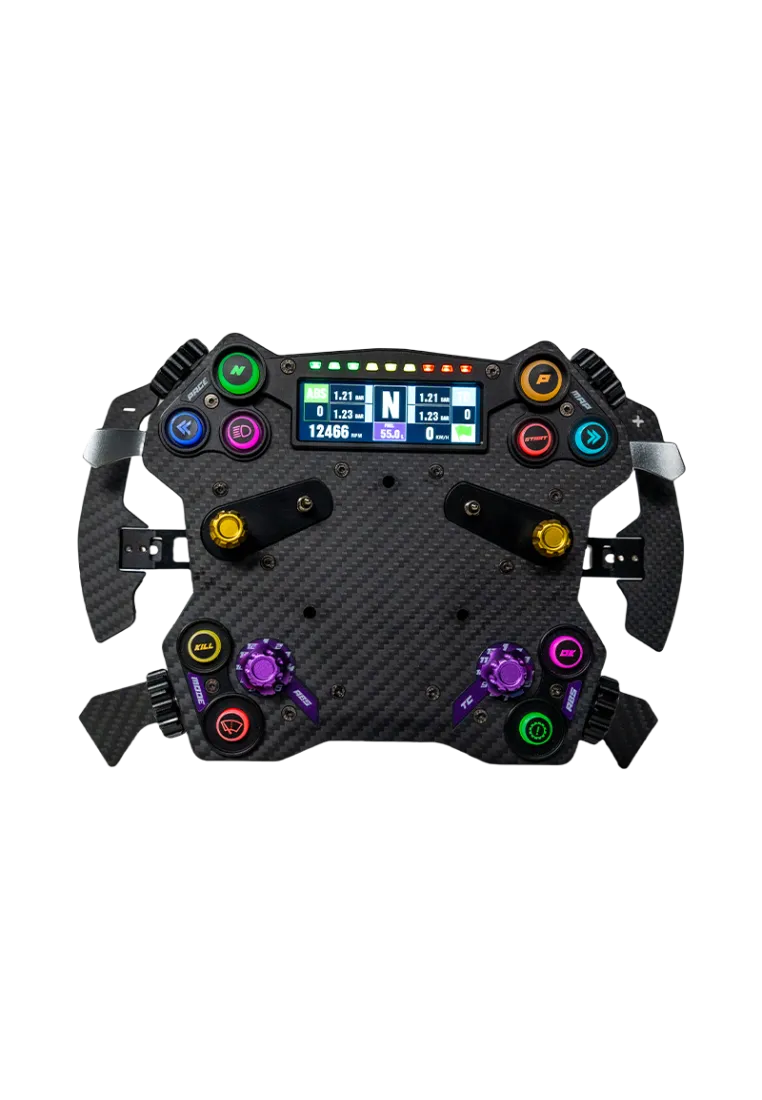
The Conspit H.AO HUB is a modular, lightweight carbon hub featuring a built-in display, illuminated controls, and magnetic rim connectivity—optimized for pro-level sim racers.
1,726.83zł
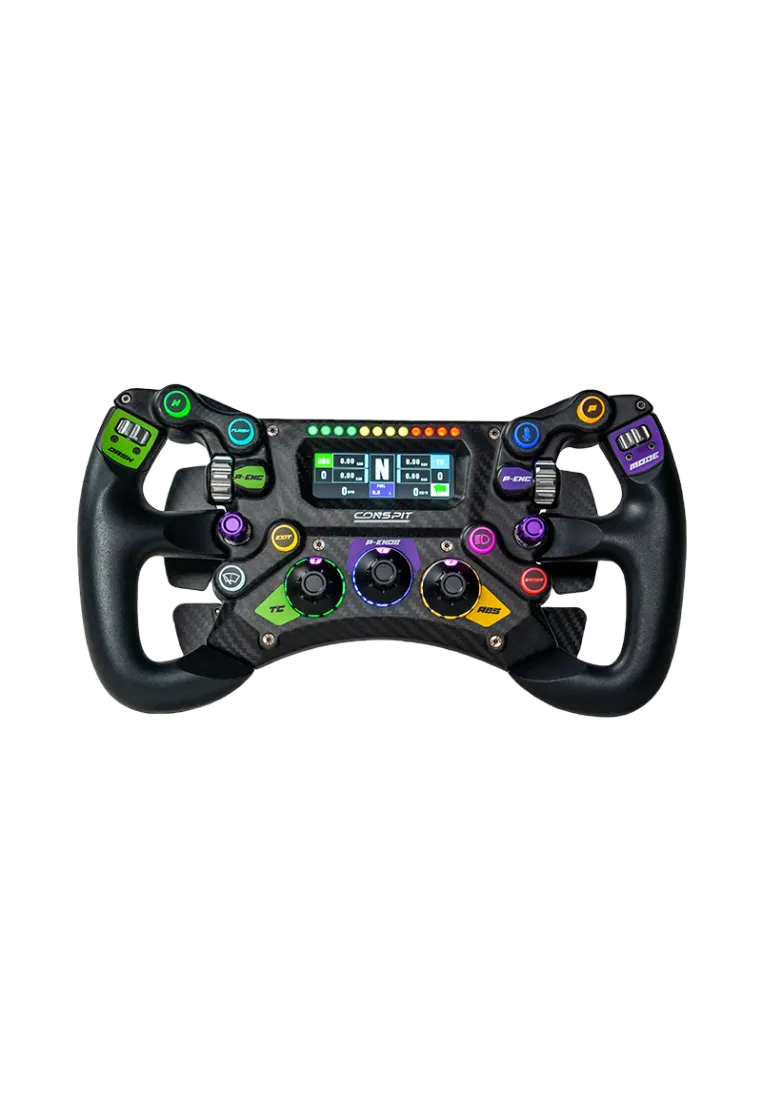
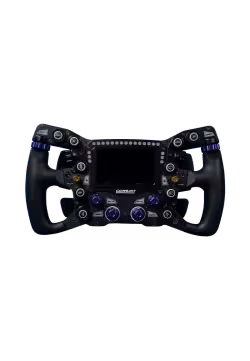
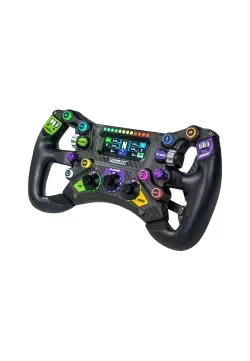
Conspit 300 GT is a 300 mm Formula‑style sim racing wheel weighing just 1 150 g. It features a 2.99″ LCD, over 110 customizable controls, 56 RGB lights, magnetic & dual‑clutch paddles, plus a Quick‑Con USB connection.
Conspit 300 GT PREORDER
1,553.66zł
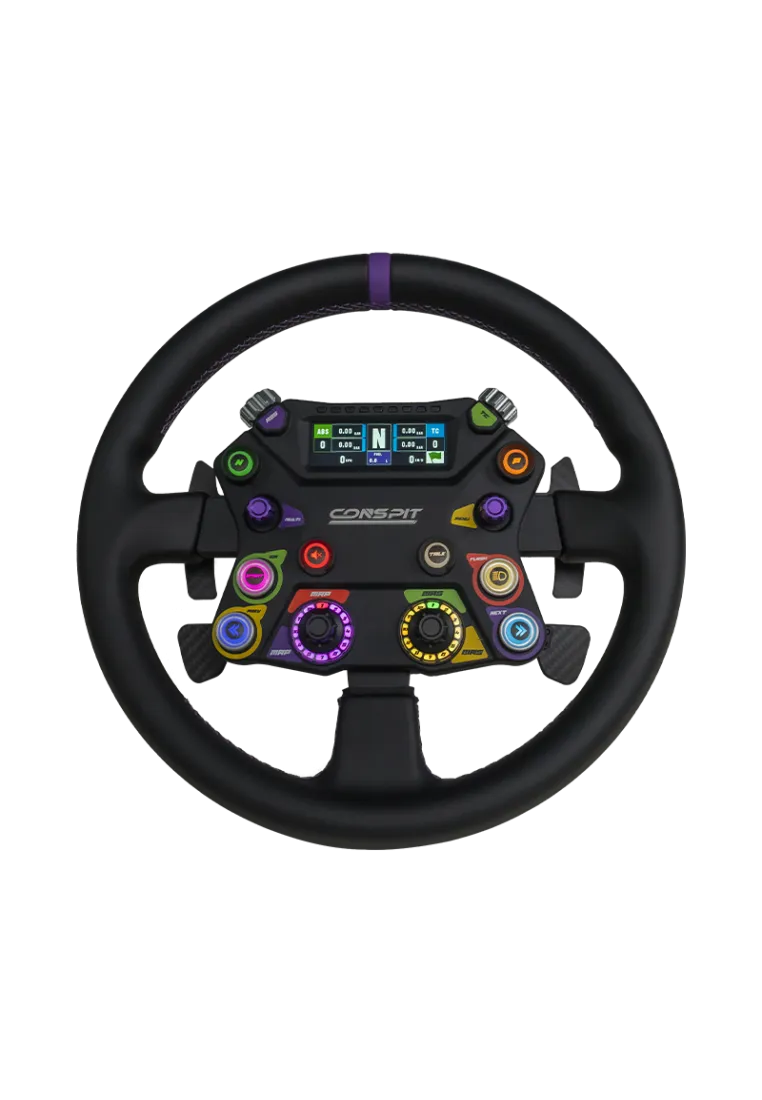
Conspit 310 APEX – metal wheel hub with 2.99″ LCD, 41 LEDs, up to 104 remappable inputs and magnetic paddles. Works with SimHub and Conspit Link 2.0.
1,300.80zł

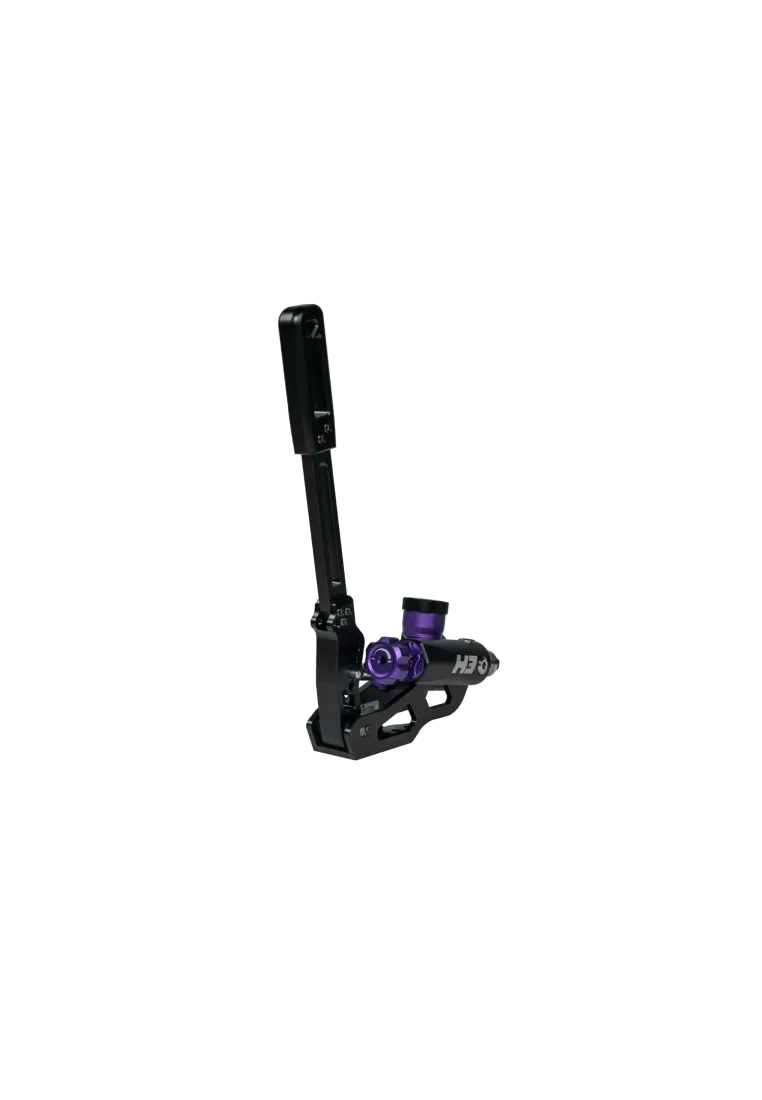
Conspit H3 is a precision-engineered dual-mode hydraulic handbrake designed for drifting and rally sim racing. With a 5 MPa sensor, adjustable preload, four force settings, and horizontal/vertical lever positions, it delivers unmatched control and realism.
Conspit H3 Handbrake Out of stock
1,104.07zł
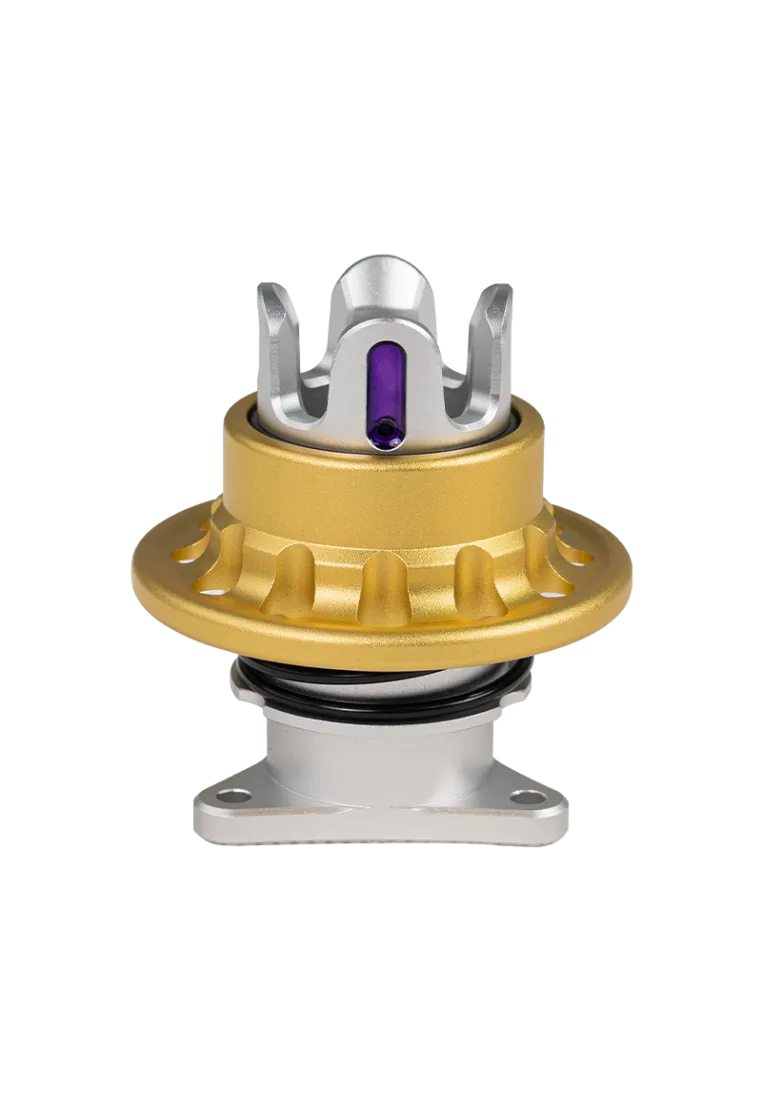
The CONSPIT CDP Quick Release is a Formula-inspired, CNC-machined connector for sim racing. Compatible with ARES wheelbases, it delivers unmatched signal reliability, torque precision, and zero mechanical play – designed for professional-level performance.
273.17zł
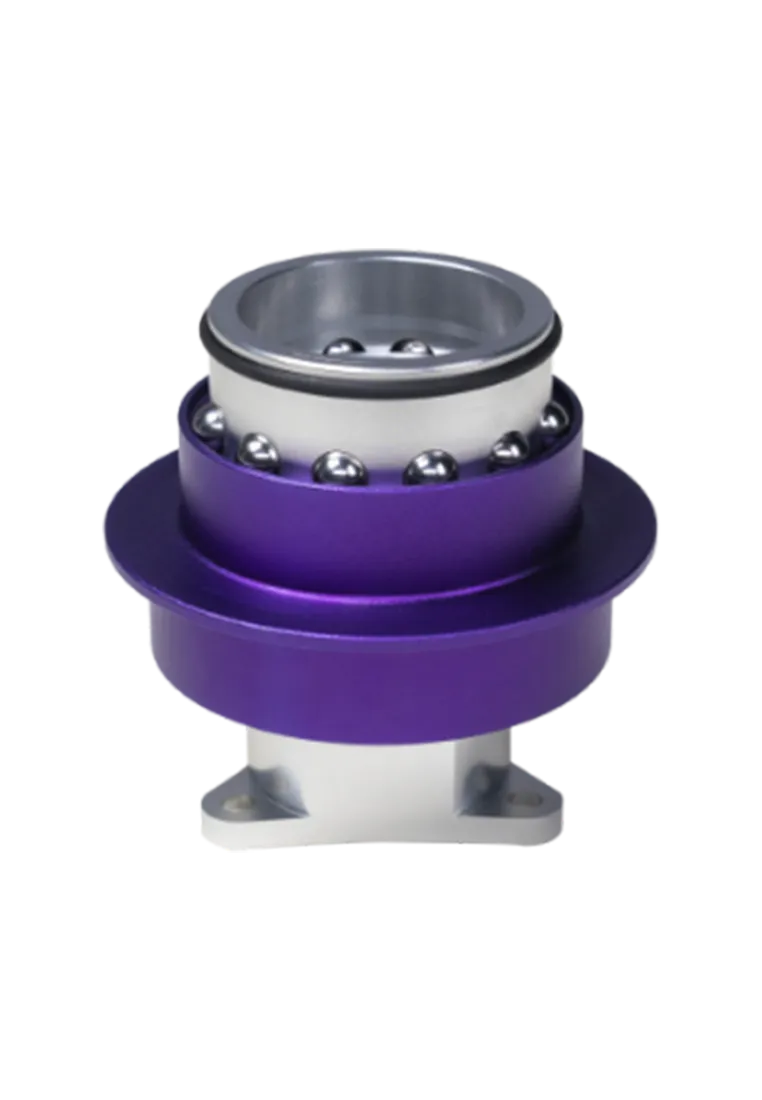
Conspit CDR Quick Release is a solid, lightweight wheel adapter that lets you change your wheel in just a few seconds. Built from 6061 aluminum, it’s ultra-tight, no-play, and keeps a perfect data connection. Works with Conspit wheelbases and standard 50–70 mm adapters.
Conspit CDR QR PREORDER
192.15zł Customize
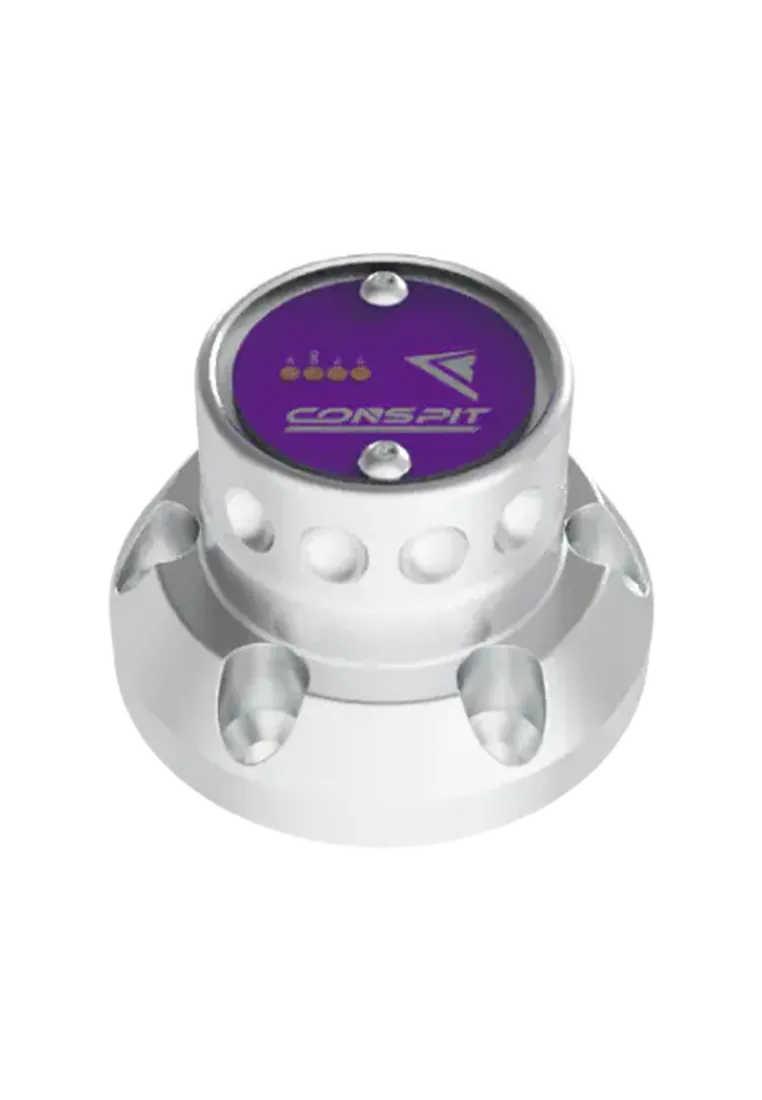
The Conspit CDR QR wheelbase side lets you use the Conspit CDR QR on older Conspit bases with CDP quick release. This system offers plug-and-play functionality, requires no modifications, and ensures full signal stability. Compatible with wheels like PW1, MAX-01, 290 GP, 300 GT, HAO Hub, and Apex 310.
133.53zł
You might also like
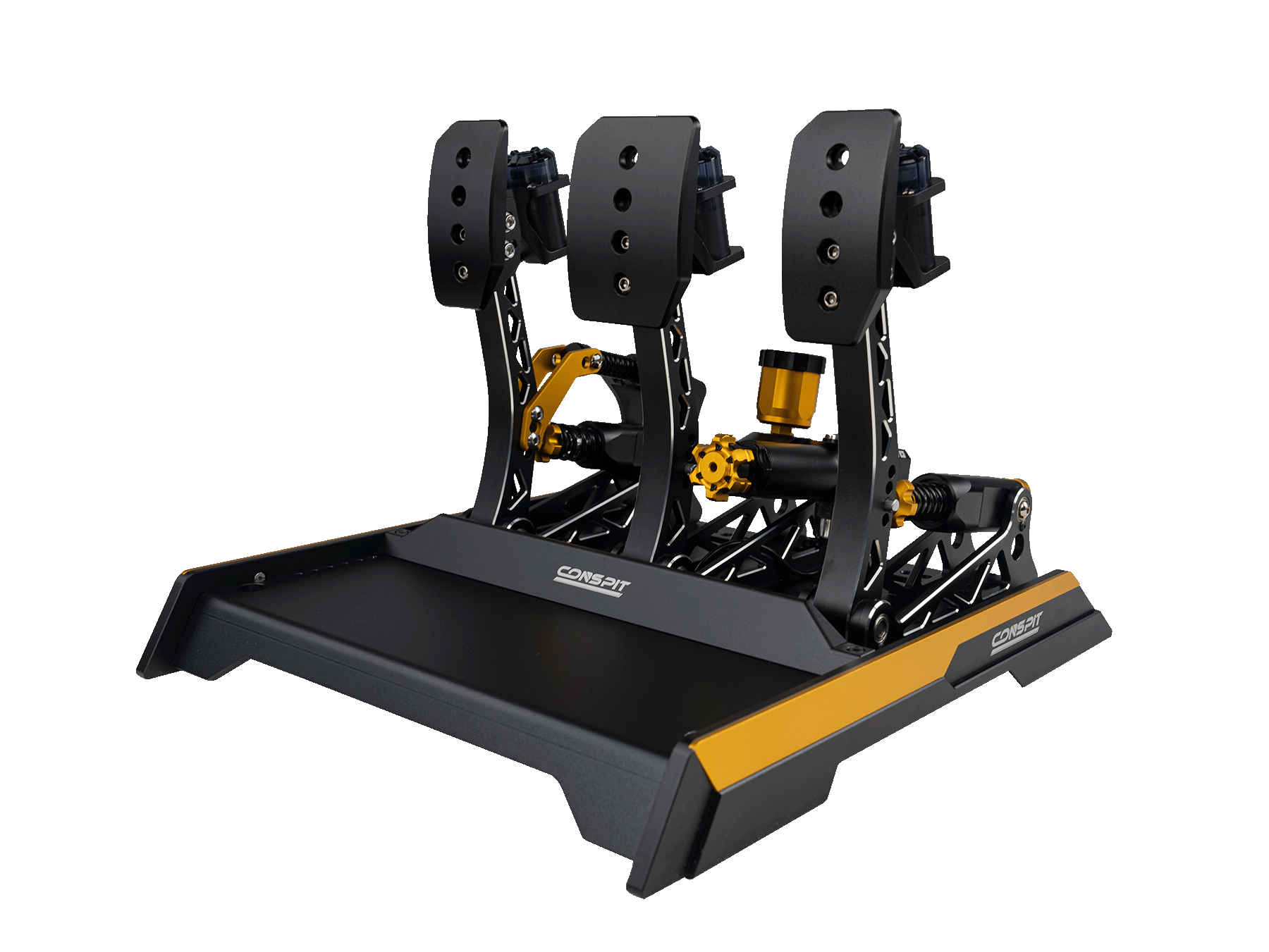
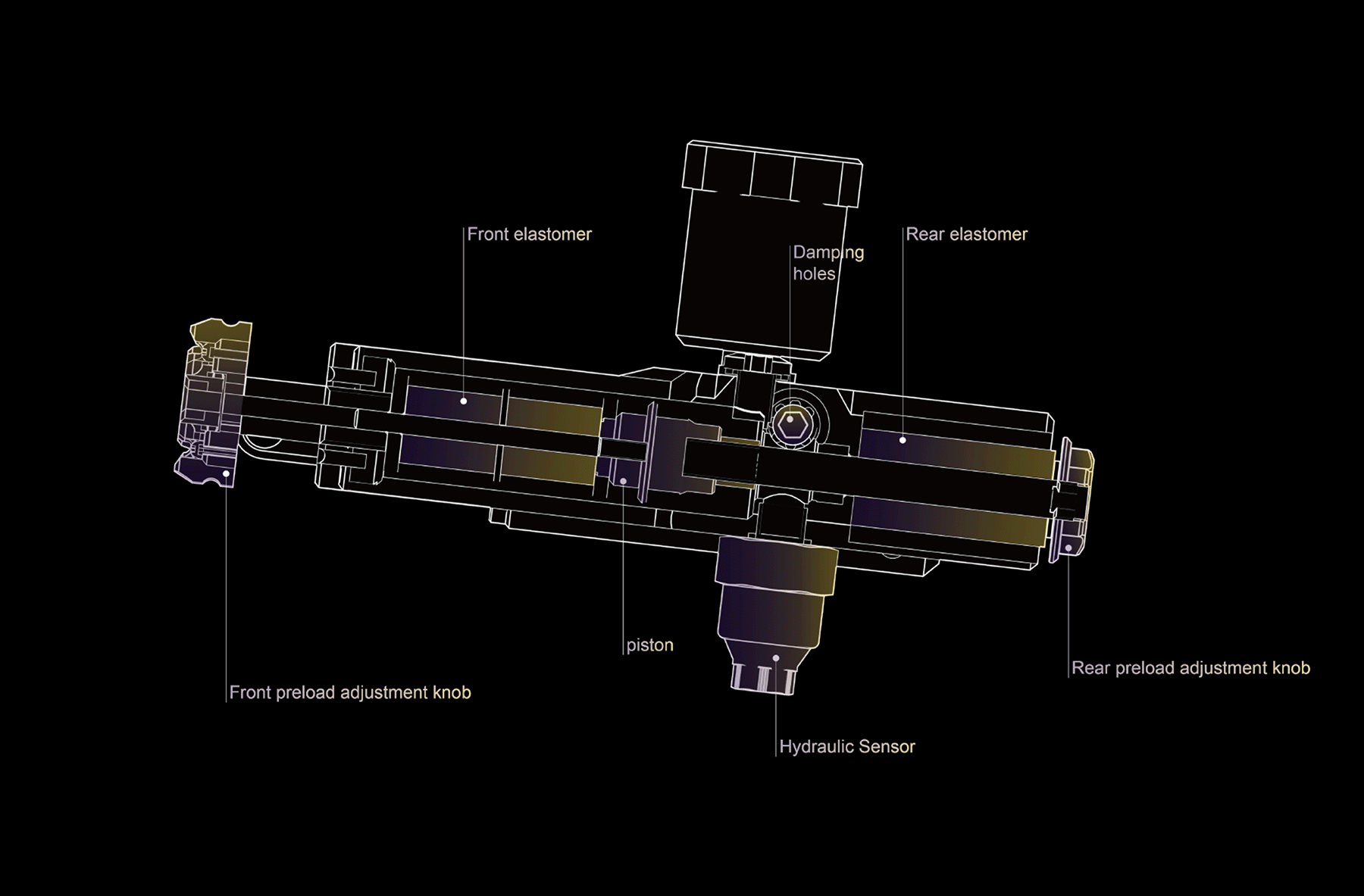
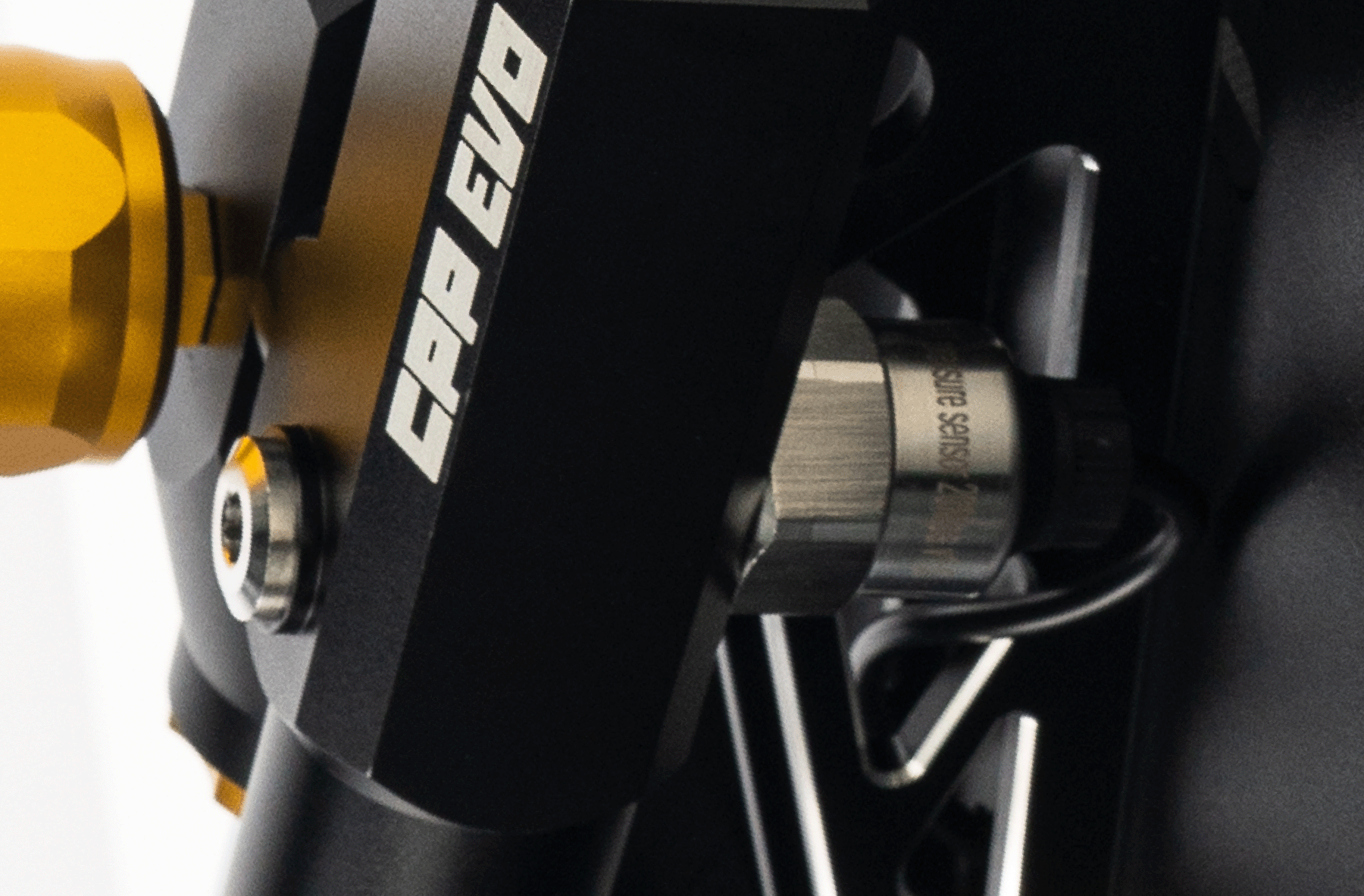
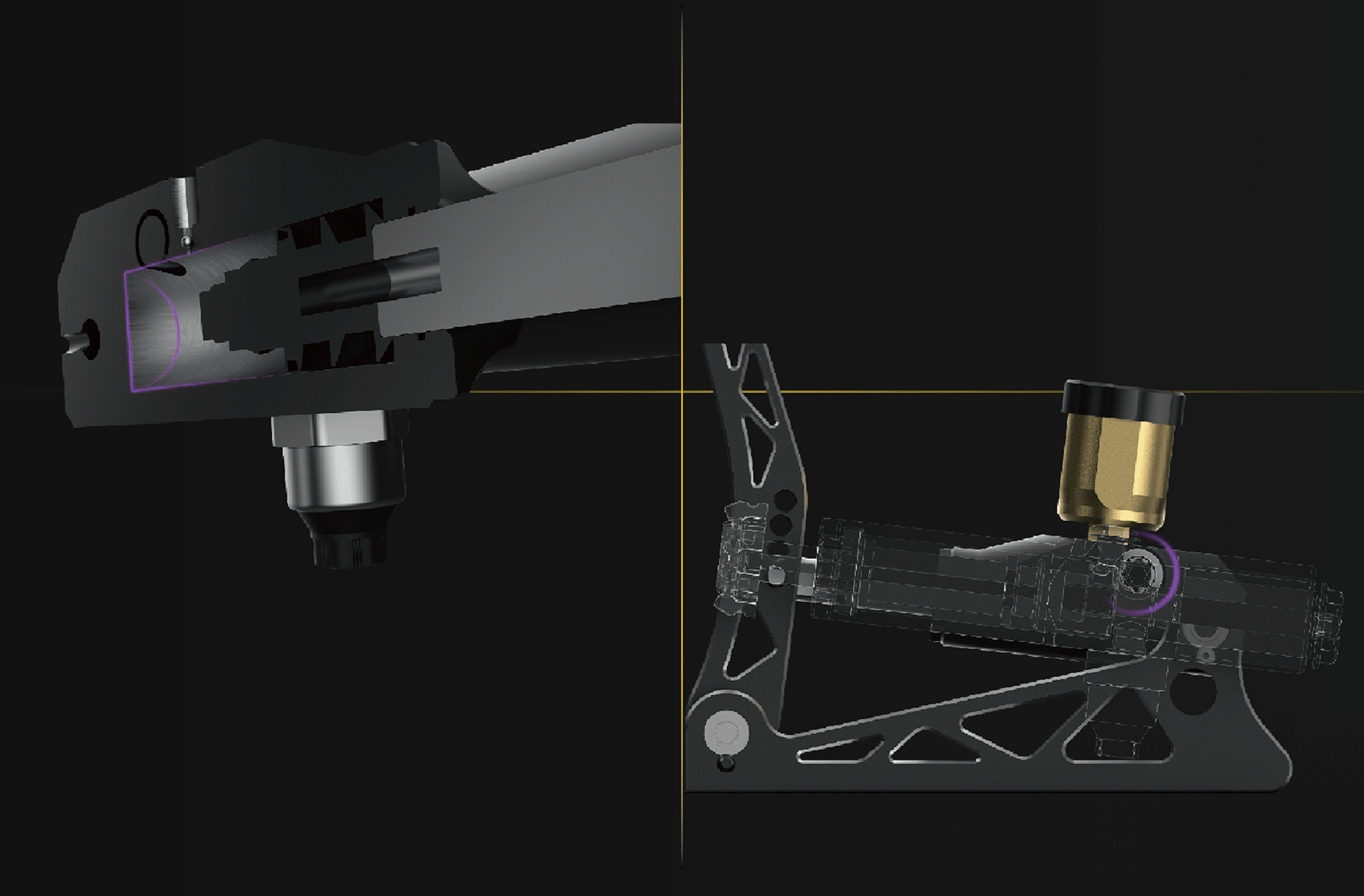
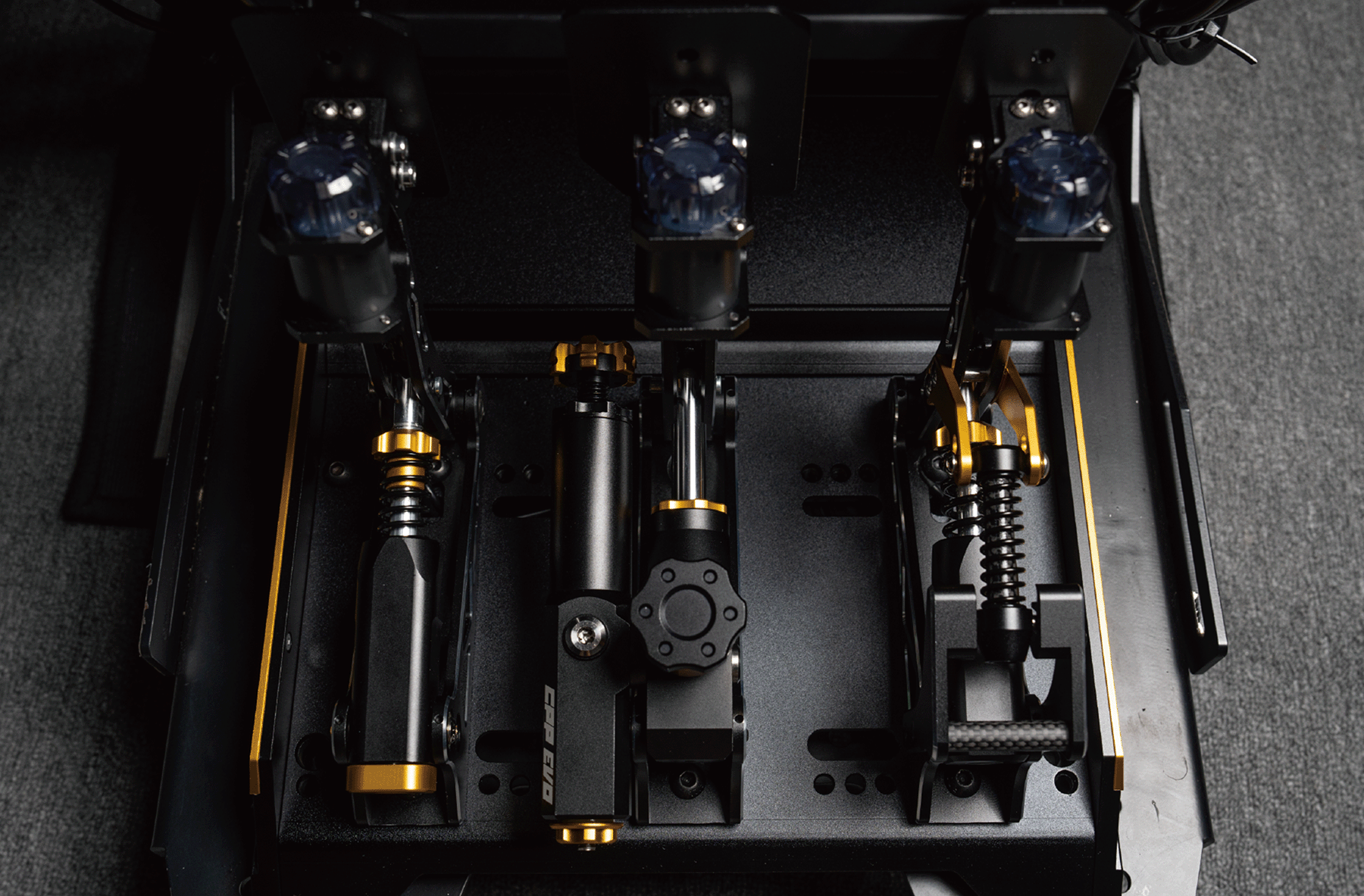
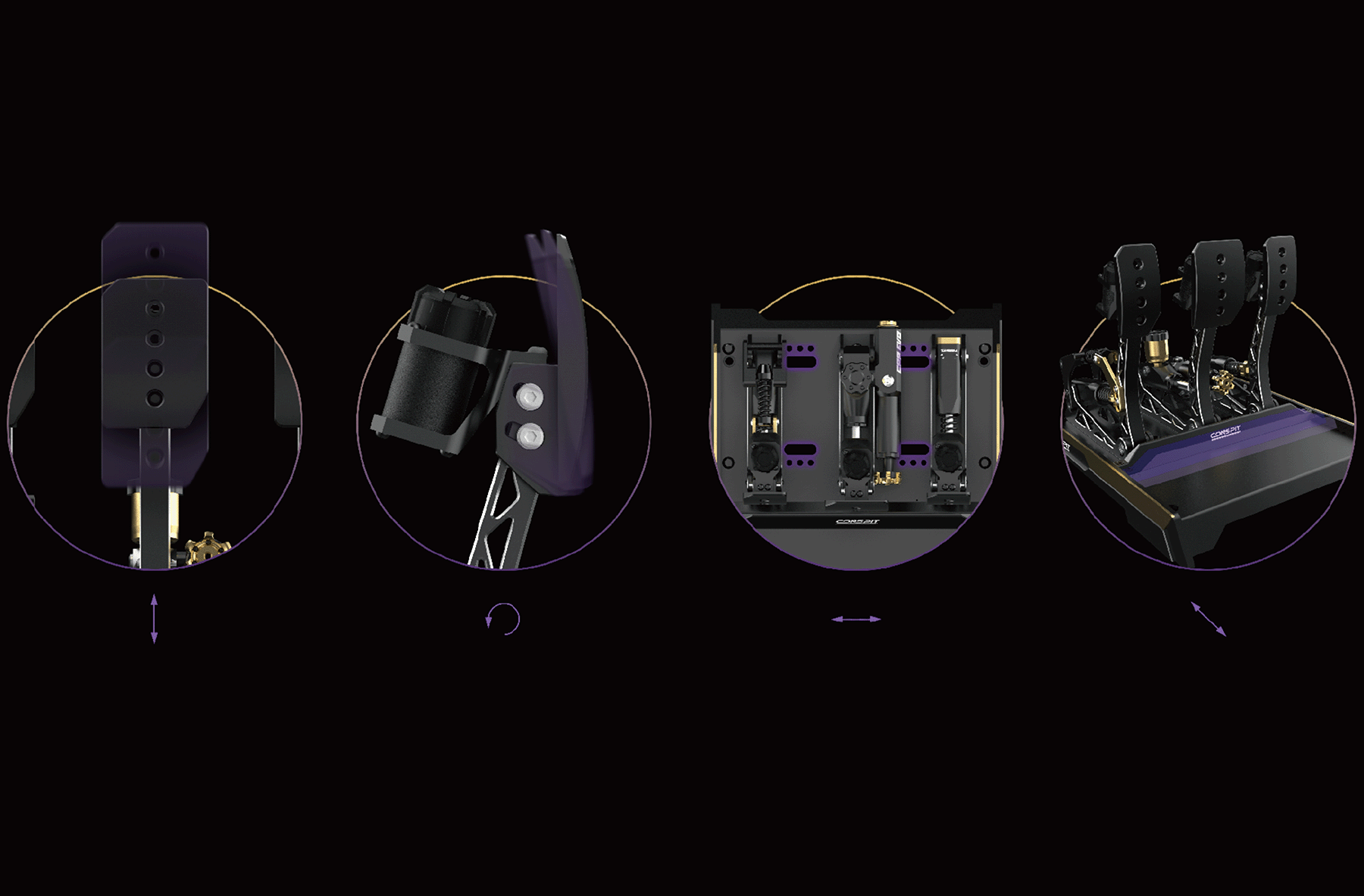
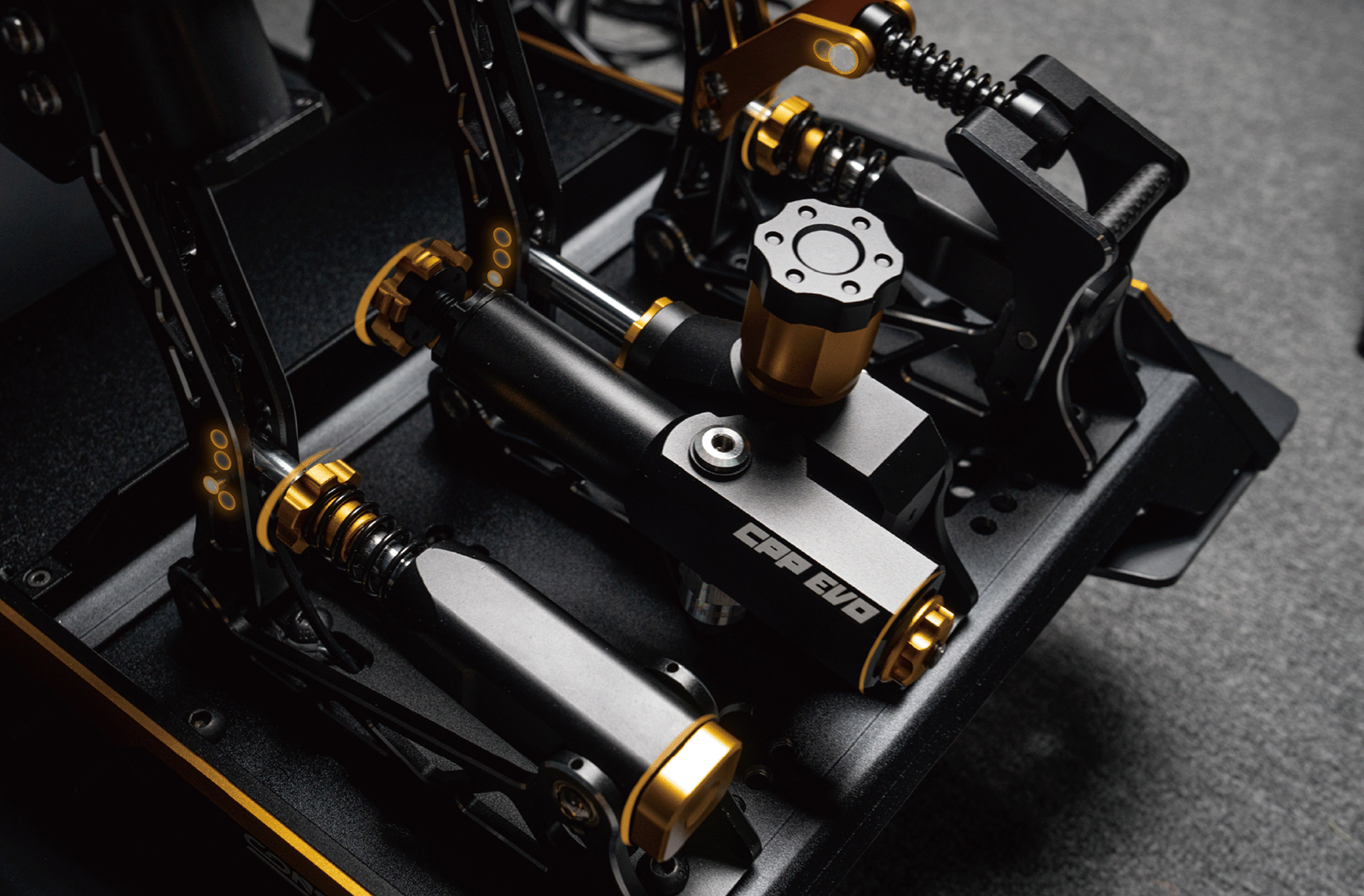
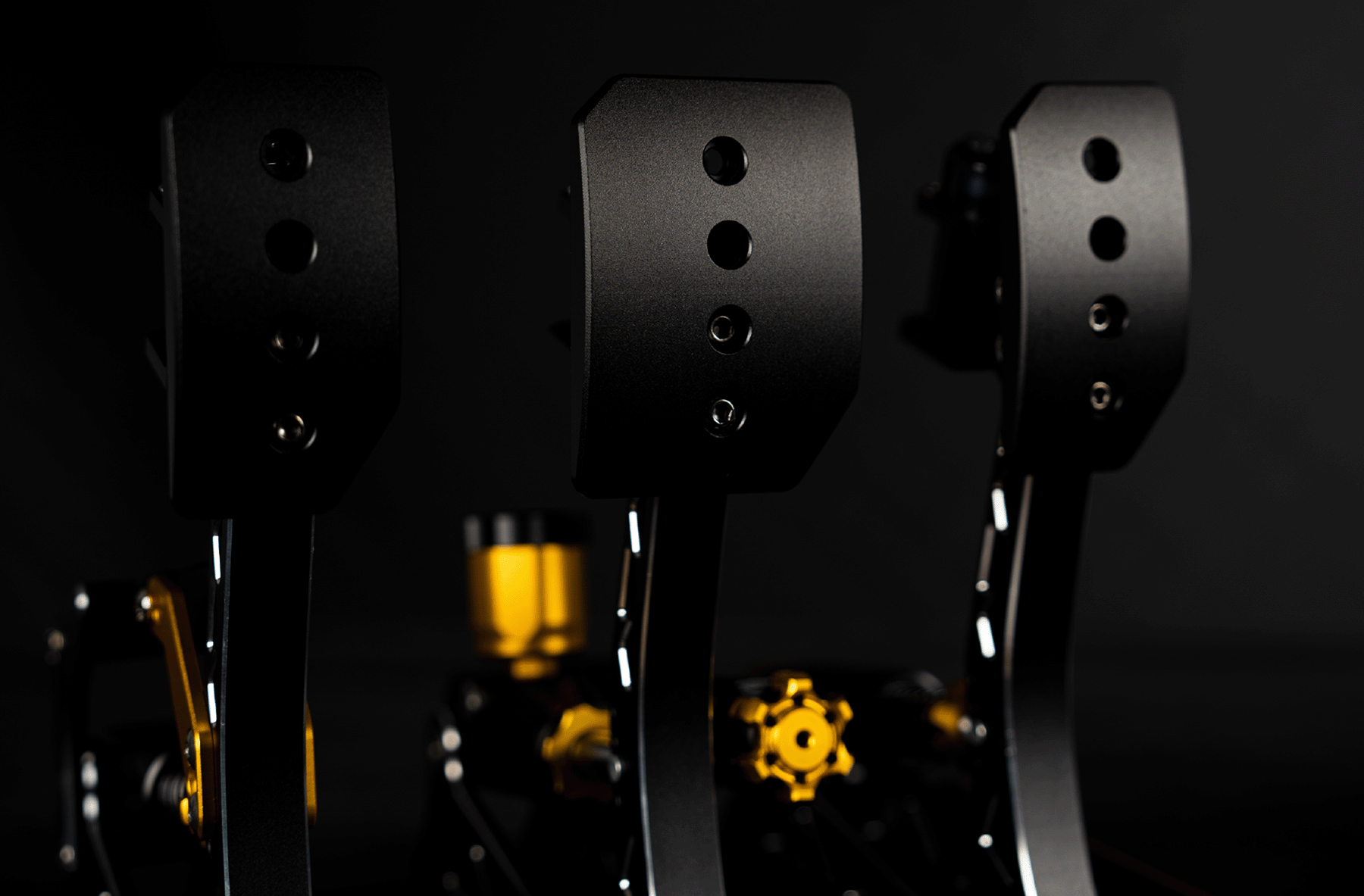
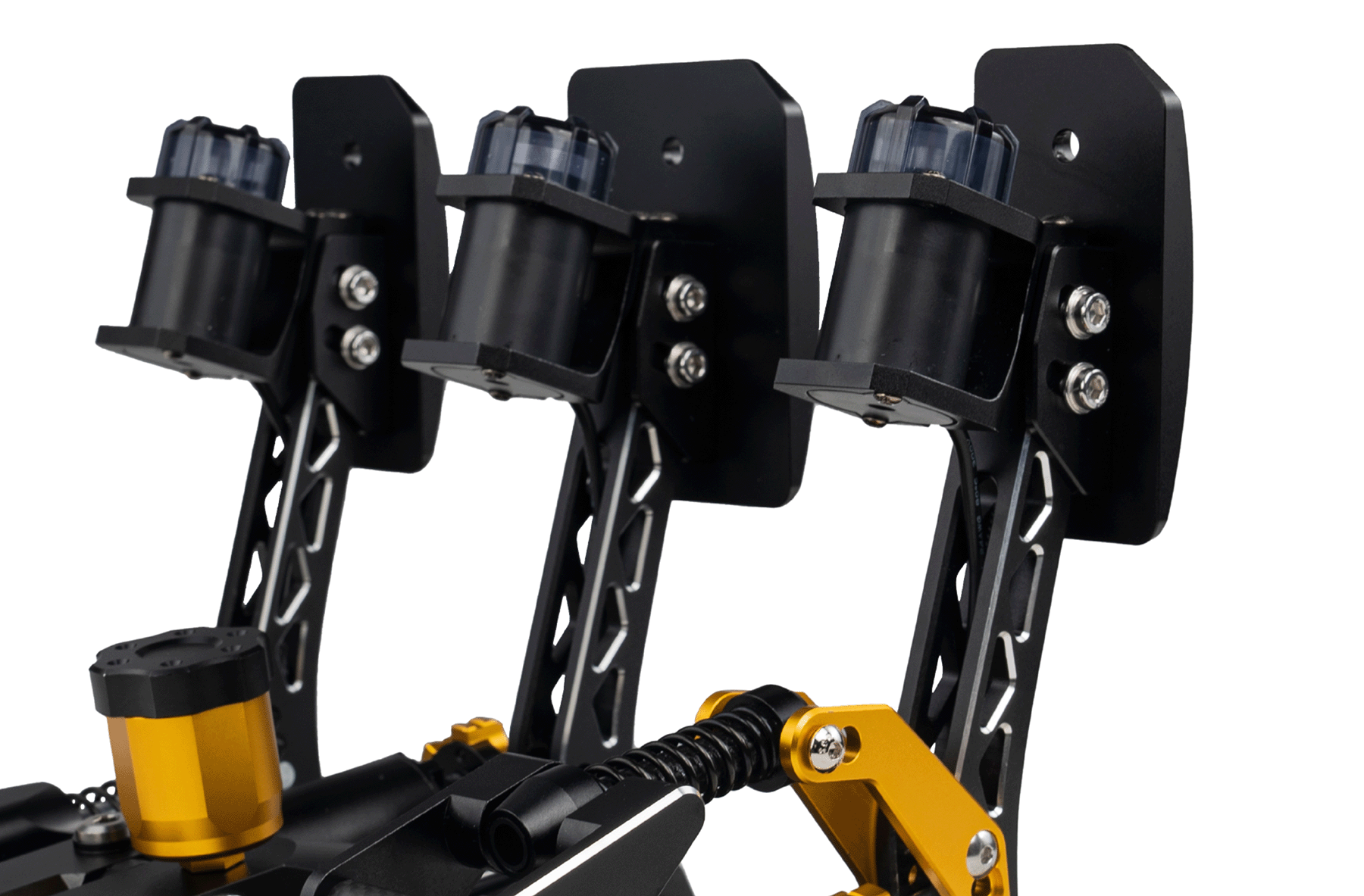
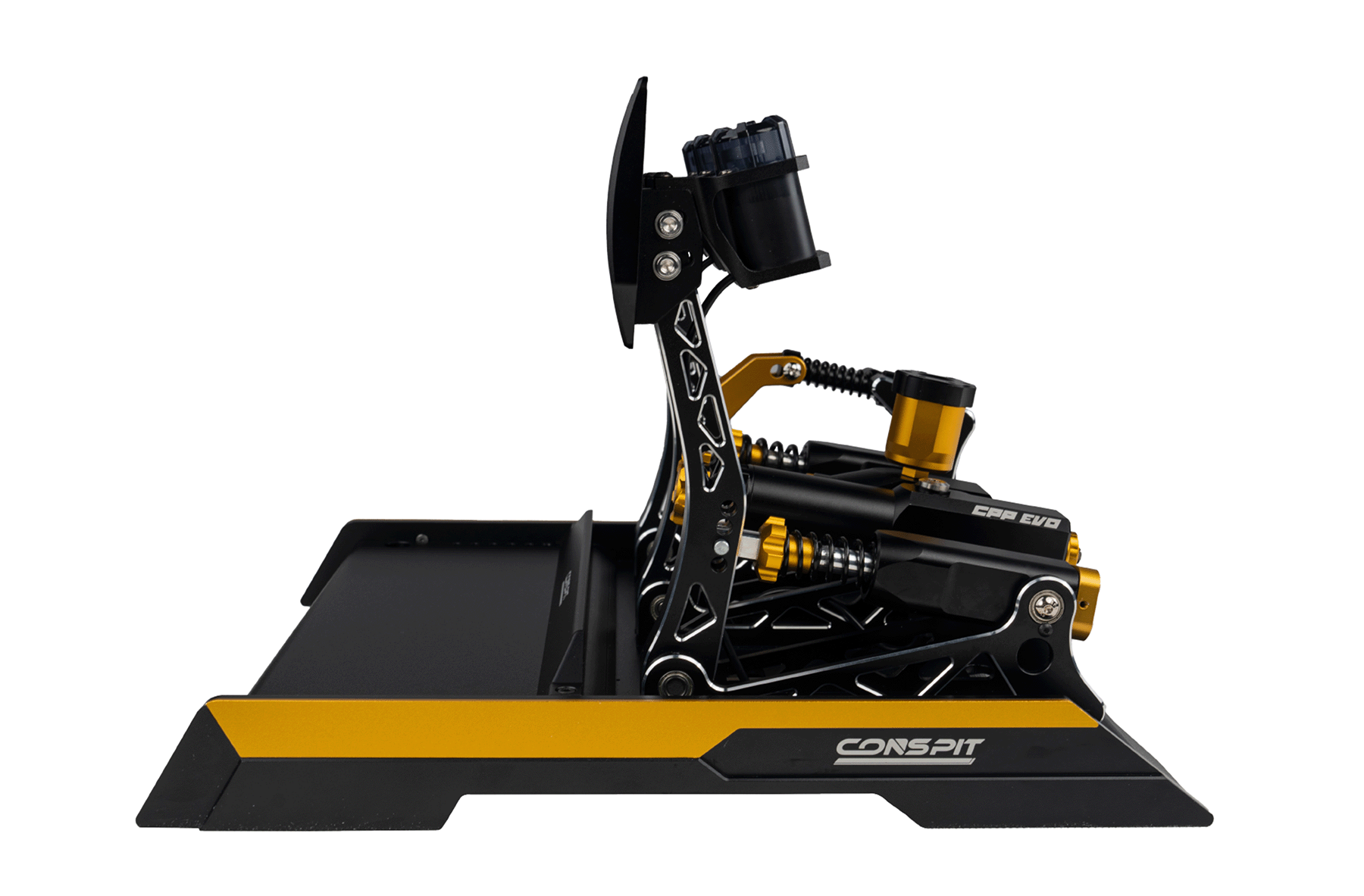
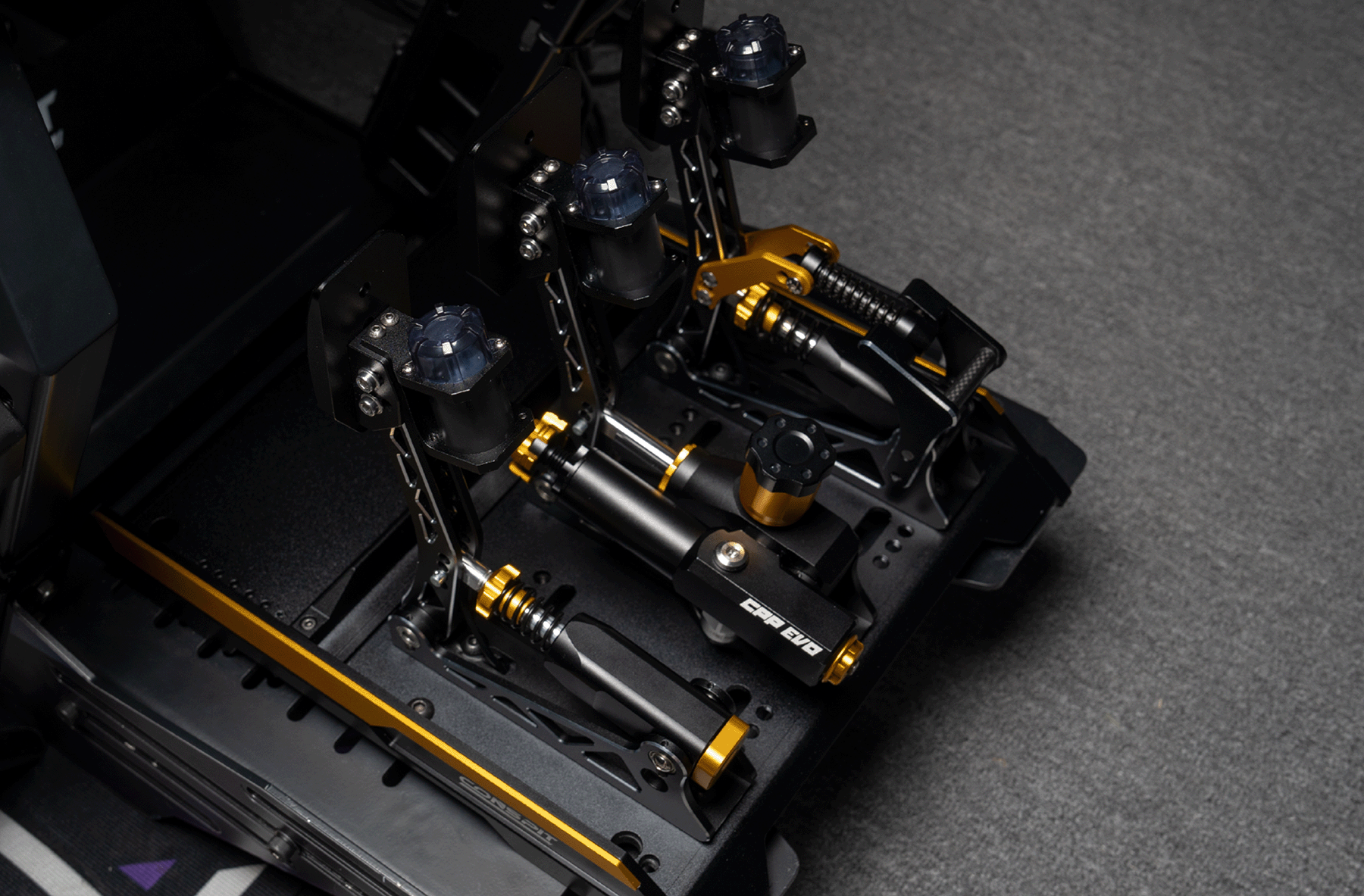
Conspit CPP EVO V2 is available as a two-pedal throttle and brake set, a complete three-pedal package, or a stand-alone clutch module. You can build the complete setup immediately or begin with two pedals and expand it later. Every version shares the same aluminium construction, accurate sensors and broad range of mechanical adjustments.
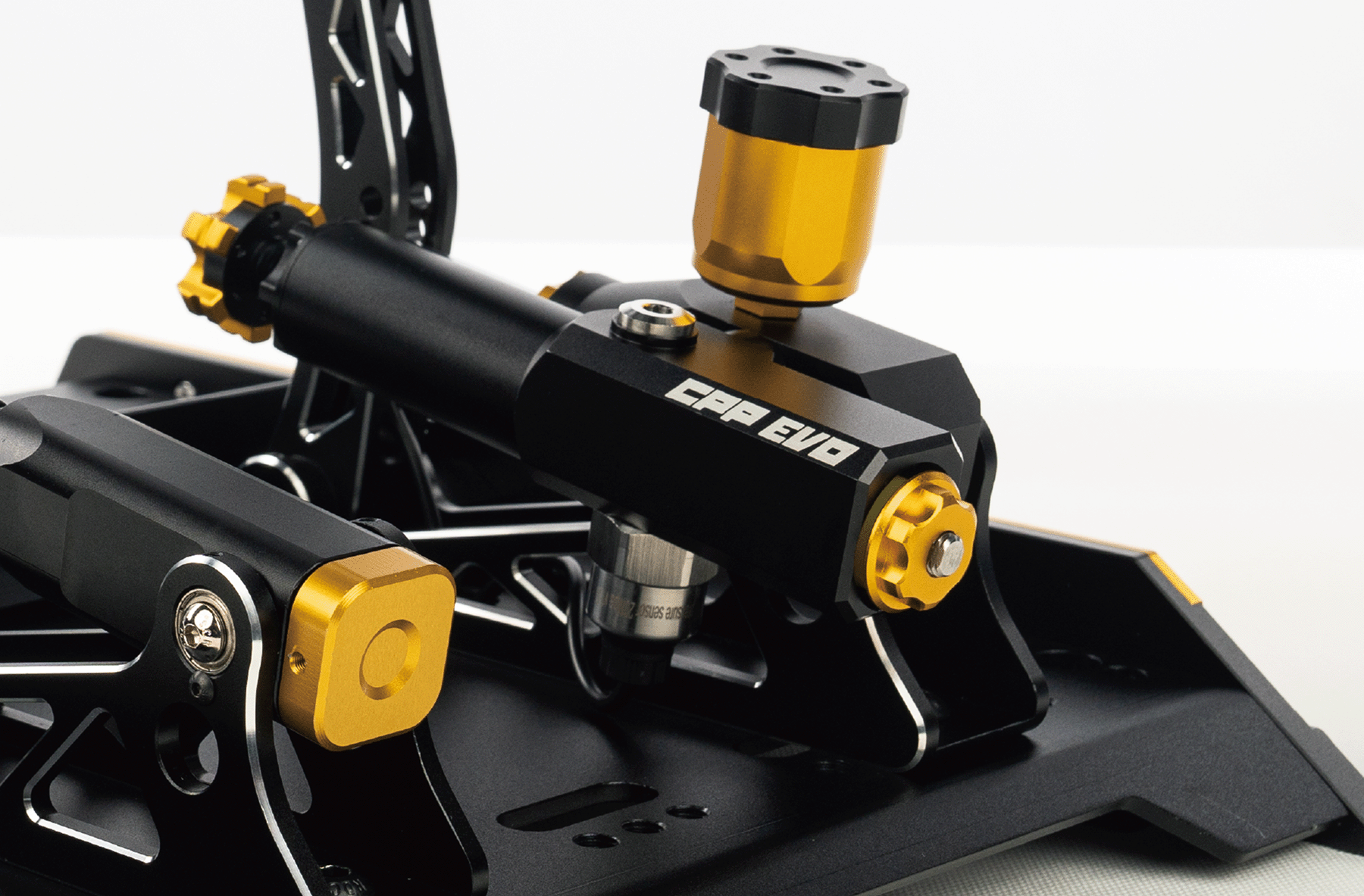
The most important V2 revision is hidden inside the brake cylinder. The previous aluminium piston has been replaced by a chrome-plated component made from grade 45 steel. This change improves wear resistance, lowers friction and makes the pedal return more consistently. The smoother movement is particularly noticeable when gradually releasing the brake during trail braking.
The Dual-Stage mechanism combines a spring and an elastomer, giving the brake two clearly defined phases. The initial movement takes up the pedal travel quickly, while the second stage introduces progressively firmer resistance. This makes it easier to judge the available grip and repeat the same braking pressure in GT cars, prototypes and single-seaters.
Instead of relying only on pedal position, the brake measures pressure inside the hydraulic system. Its 20 MPa, or 200 bar, sensor records how firmly the driver presses the pedal. Braking can therefore be controlled through muscle memory, making a chosen braking point easier to repeat. The benefit becomes especially clear during trail braking and short, heavy braking zones.
The revised Step-Seal combines a flexible O-ring with a low-friction PTFE sliding ring. Together, these components keep the cylinder sealed while reducing resistance as the piston moves. According to the manufacturer, internal friction has been lowered by approximately 50%. The sealing system is designed for pressures up to 400 bar, providing a substantial durability margin above the sensor’s working range.
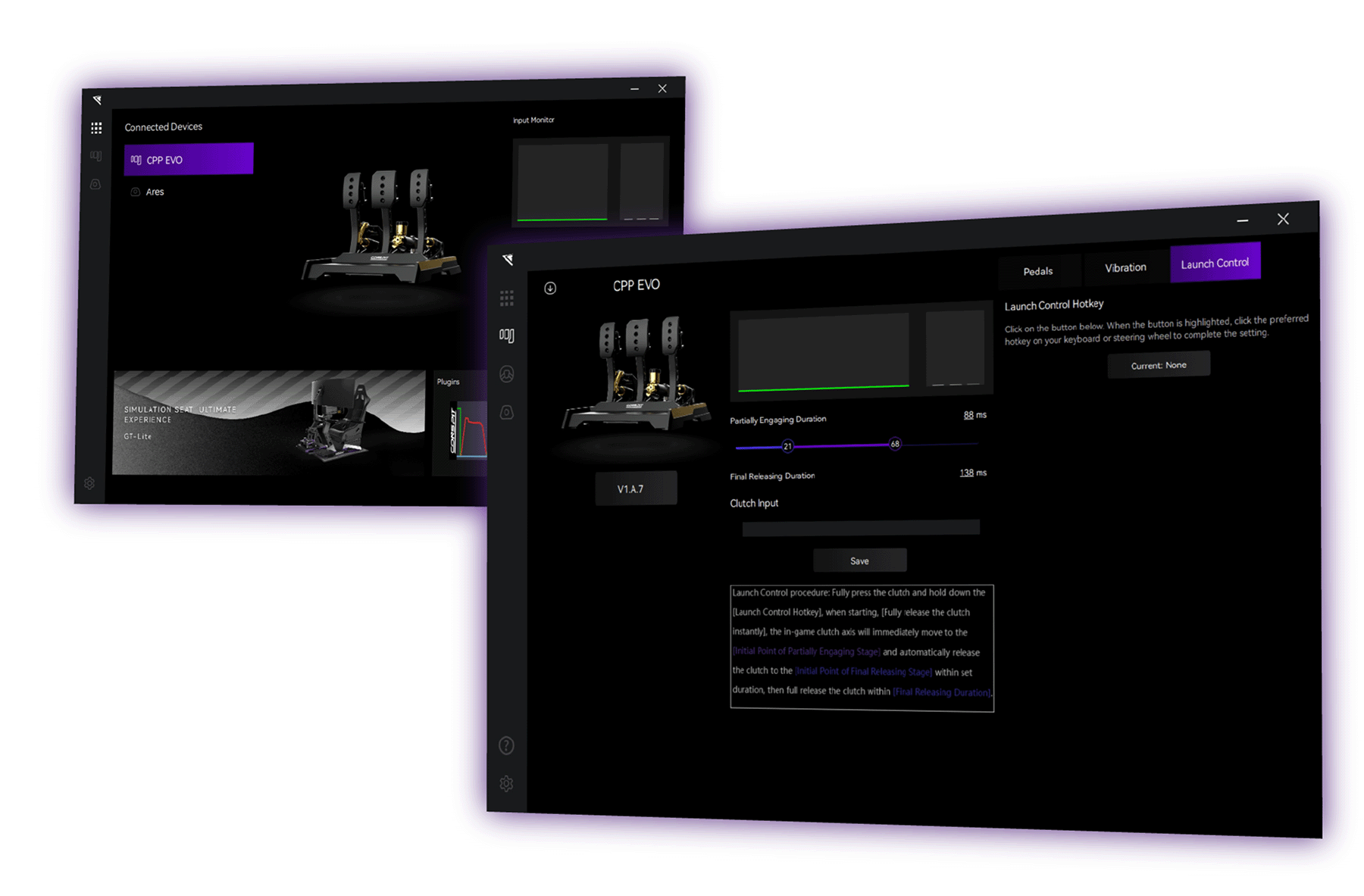
CPP EVO V2 does not lock the driver into one factory setting. Pedal travel, mechanism preload and the way resistance builds can all be adjusted. You can create a short, firm brake for a formula car or use slightly more movement for road and GT machinery. Mechanical tuning can then be complemented by a separate software calibration.
The pedal position can be adapted to both the cockpit and the driver. Adjustable face height, pedal angle and spacing between the modules help create a comfortable layout in an upright GT rig or a low Formula seating position. These details become increasingly important during longer sessions, when even a small alignment issue can place unnecessary strain on the ankle or calf.
The throttle and brake provide four quick force settings, allowing their character to be changed without rebuilding the entire mechanism. The front and rear brake preload can also be adjusted independently. On the clutch module, separate preload control and four bite-point positions help create a distinct breakaway sensation as the virtual clutch engages.
The main CPP EVO V2 components are CNC-machined from 6061-T6 aluminium. Sandblasted and anodised surfaces protect the material, while the rigid structure limits flex under heavy braking. Metal pedal arms, supports and faceplates form a solid assembly intended for regular use on a properly reinforced sim racing cockpit.
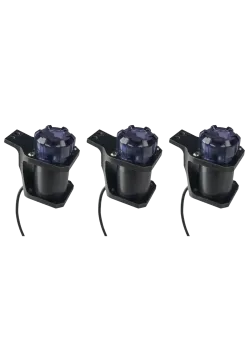
Standard M-DVF vibration modules provide information that may not always be obvious through the steering wheel alone. Once configured, they can signal ABS activity, wheel lock or a loss of grip. Because the feedback is delivered directly beneath the driver’s foot, changes in the car’s behaviour can be recognised quickly without looking away from the circuit.
The open design exposes the mechanisms, guides and adjustment points, giving the pedals a purposeful engineering-led appearance. Black anodised surfaces are combined with metallic details and recognisable CONSPIT accents. The design remains practical as well: the essential adjustment points are still accessible after the pedals have been installed in a cockpit.
Conspit Link 2.0 provides calibration, dead-zone adjustment and individual response curves for each pedal. This makes it possible to preserve fine throttle control or reduce the pressure required to reach maximum braking input. SimHub support extends the M-DVF configuration, allowing vibration effects to react to selected telemetry signals supplied by the simulation.
The modular structure makes the pedals suitable for mounting plates and aluminium-profile cockpits. Because the hydraulic brake can generate considerable force, a rigid pedal deck is strongly recommended. The two-pedal version leaves additional space for a footrest, while the three-pedal configuration creates a complete layout for driving cars equipped with a manual gearbox.
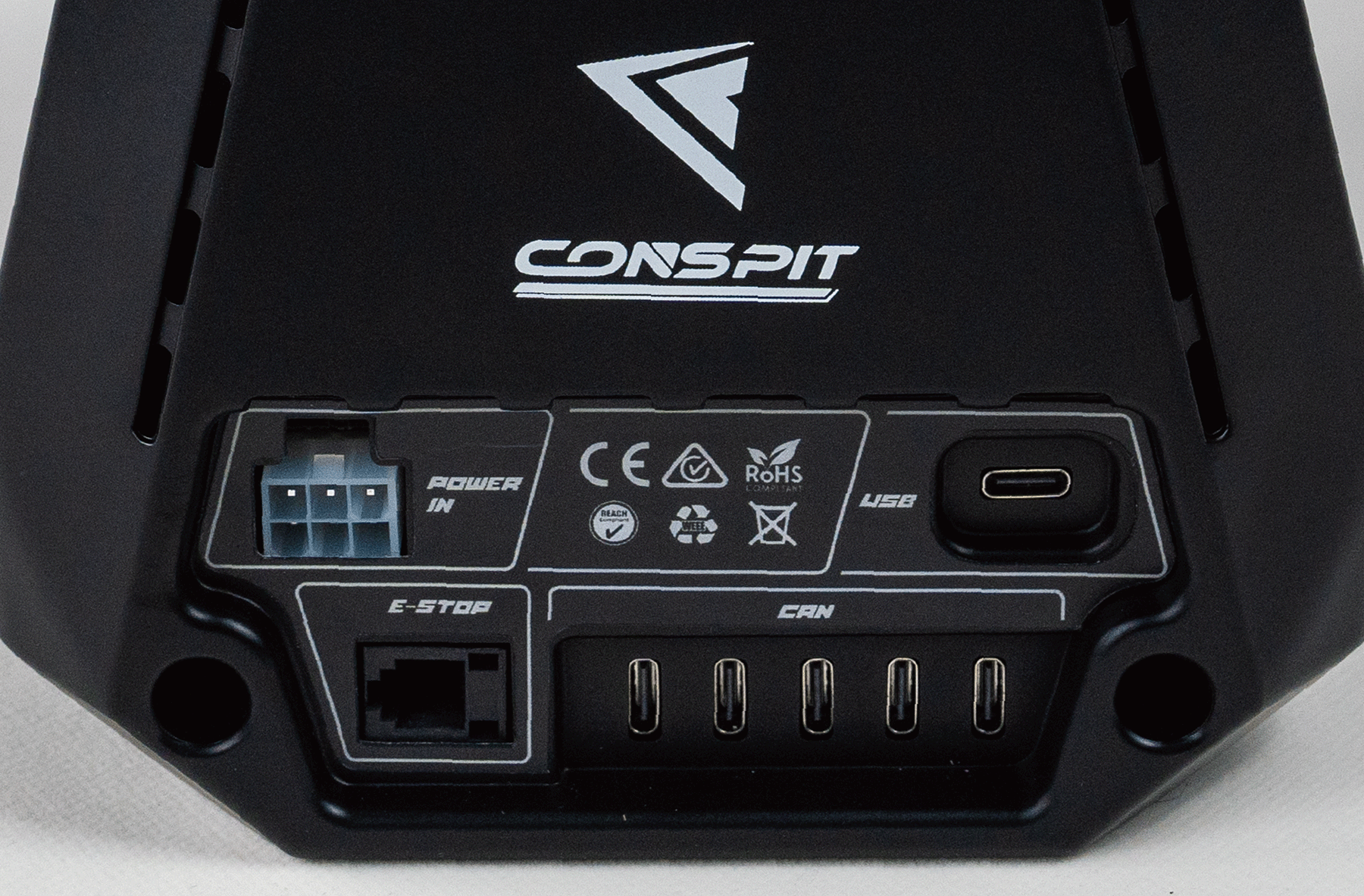
Conspit CPP EVO V2 can connect directly to a PC through USB or join the manufacturer’s ecosystem via CONSPIT CAN. The CAN option supports integration with the Conspit ARES 12 and Conspit ARES Platinum 20 wheelbases. A direct USB connection also allows the pedals to work in a mixed-brand PC setup.
| Technical Specifications – Conspit CPP EVO V2 | |
|---|---|
| Available variants | |
| Two-pedal set | Throttle pedal + brake pedal |
| Three-pedal set | Throttle pedal + brake pedal + clutch pedal |
| Clutch-only variant | Separate clutch for expanding a compatible CPP EVO set |
| Two-pedal V2 reference | CP311 |
| Three-pedal V2 reference | CP312 |
| Two-pedal EAN | 6977068961175 |
| Three-pedal EAN | 6977068961182 |
| V2 brake cylinder and hydraulics | |
| Brake system | Second-generation dual-stage hydraulic system |
| V2 piston | Chrome-plated 45-steel piston |
| Sealing system | Dual Step-Seal: elastic O-ring + PTFE sliding ring |
| Friction reduction | Approximately 50% compared with the earlier single seal |
| Seal-system pressure rating | Up to 400 bar according to the manufacturer |
| Brake sensor | 20 MPa hydraulic pressure sensor |
| Brake tuning elements | Interchangeable linear springs and elastomers |
| Brake adjustment | 4 force levels with independent front- and rear-stage preload |
| Throttle and clutch | |
| Throttle sensor | Hall-effect sensor |
| Throttle adjustment | 4 force levels with independent travel and spring-preload adjustment |
| Clutch sensor | Hall-effect sensor |
| Clutch adjustment | Spring preload and 4 bite-point feel levels |
| V2 push-rod guides | Extended PTFE bushings for throttle and clutch |
| Construction and ergonomics | |
| Material | CNC-machined 6061-T6 aluminium |
| Finish | Sandblasted and anodised |
| Ergonomic adjustment | Pedal spacing, face angle, height and footrest position |
| Pedal-set dimensions | 332 × 396 × 285 mm |
| Software and connectivity | |
| Platform | PC |
| Direct PC connection | USB |
| Ecosystem connection | CONSPIT CAN through a compatible ARES wheelbase |
| Software | Conspit Link 2.0 and SimHub |
| Feedback system | M-DVF vibration module with SimHub ShakeIt Motors support |
The product page offers three options: a two-pedal throttle and brake set, a complete three-pedal set with clutch, and a clutch-only variant for expanding a compatible CPP EVO configuration.
Conspit has replaced the earlier aluminium piston with a chrome-plated 45-steel component. Its harder surface offers better wear resistance and is less likely to deform during repeated operation under pressure.
The cylinder combines an elastic O-ring with a PTFE sliding ring. According to Conspit, this arrangement reduces internal friction by approximately 50% compared with the previous single seal, giving the brake a smoother and more controlled return stroke.
The two-pedal set suits GT cars, prototypes, Formula cars and sequential transmissions. Choose the three-pedal version for classic cars or vehicles with a manual gearbox. The separate clutch is intended for a later upgrade.
No. This variant contains the separate clutch pedal for expanding a compatible CPP EVO set. Select the two- or three-pedal configuration if a throttle and hydraulic brake are also required.
The pedal provides a distinguishable initial movement followed by a firmer pressure-building stage. Interchangeable springs and elastomers allow the driver to adjust the transition, overall resistance and progression between both stages.
Pedal spacing, face angle, face height and footrest position can all be changed. The brake has four force levels and independent preload for both stages. Throttle travel and spring preload are separate, while the clutch provides four bite-point feel settings.
Yes. The M-DVF vibration system can reproduce effects associated with ABS, wheel lock and loss of traction. Feedback can be configured through Conspit Link 2.0 or SimHub ShakeIt Motors.
No. The pedals can connect directly to a PC through USB. A CONSPIT CAN connection is also available when building a system around the Conspit ARES 12 or Conspit ARES Platinum 20 wheelbase.
A rigid cockpit is strongly recommended. The hydraulic brake can be configured for substantial resistance, so a lightweight stand or flexible pedal tray may move before the pedal reaches the selected pressure.
Manufacturer
Responsible person
You might also like